The Asian colobines consist of seven genera with 55 species and over 40 subspecies. The surilis and langurs in the genus Presbytis include at least 20 species.
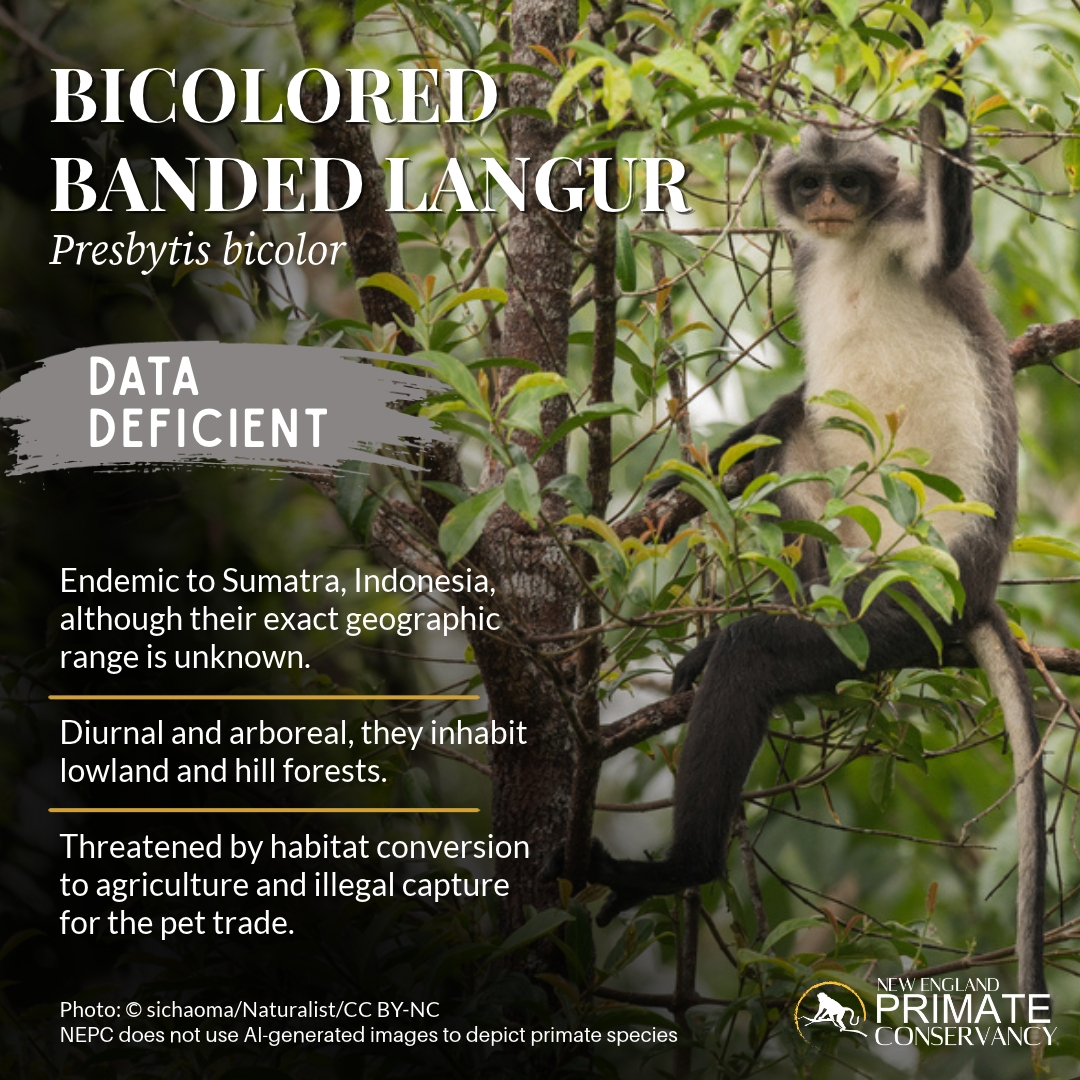
The known populations of bicolored banded langurs have been observed in eastern and central Sumatra between the Indragiri River in the north and the Batang Hari River in the south. Sumatra is the largest of the Sunda islands in Indonesia, and the sixth-largest island in the world. It has lost almost half (30 million acres/12 million…
The black Sumatran langur is native to western and north-central Sumatra, an island in western Indonesia. There, they can be found in lowland and hill rainforests, old-growth forests, and secondary forests. Old-growth forests, also known as primary forests, are those that have developed over a long period of time without…
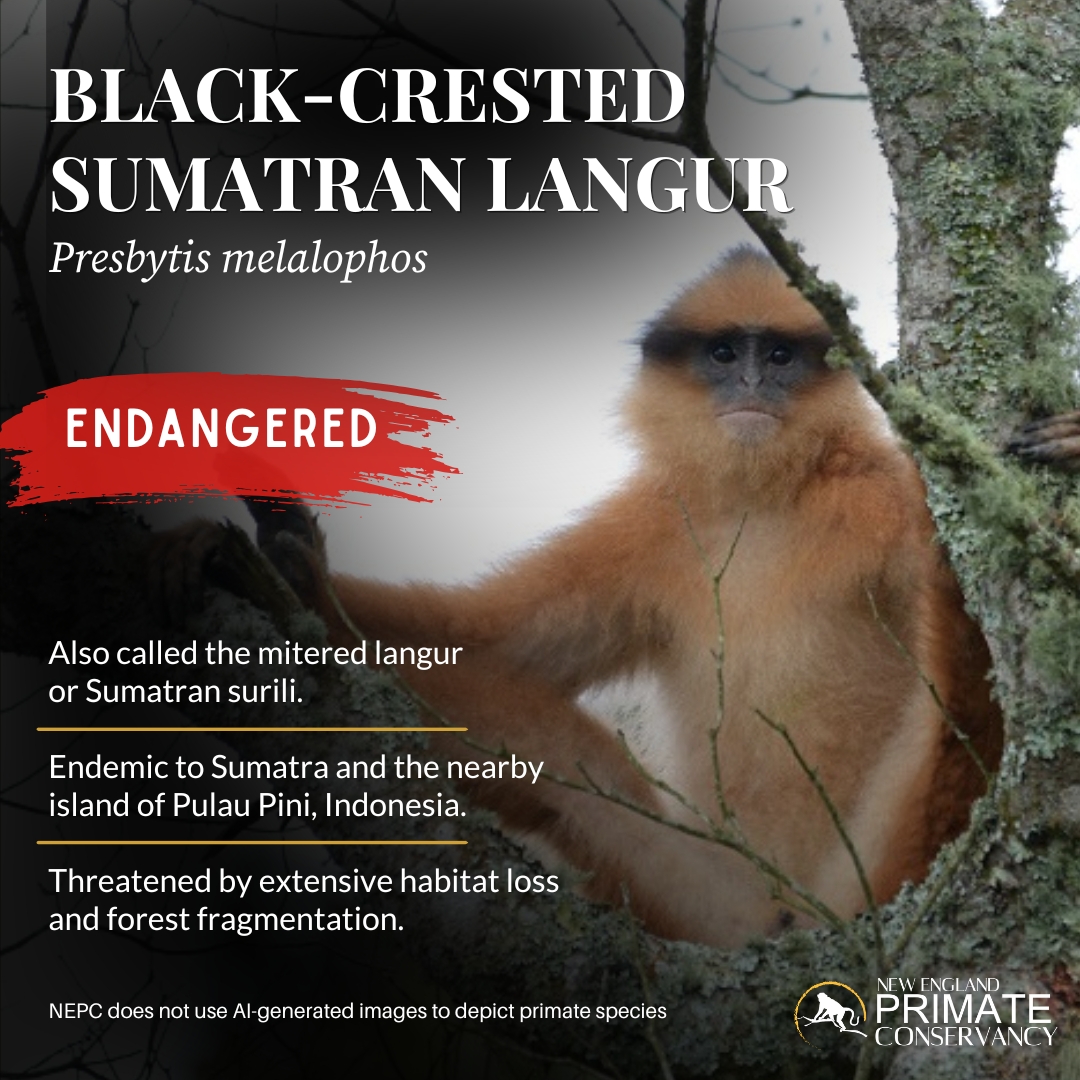
Also known as the mitered surili or yellow-handed mitered langur, the black-crested Sumatran langur is endemic to (meaning only found in) southwestern Sumatra, south of the Wampu and Simpang Kiri Rivers, and on the island of Pini in the Batu Archipelago off the west coast of Sumatra. They are found in a variety of habitats…
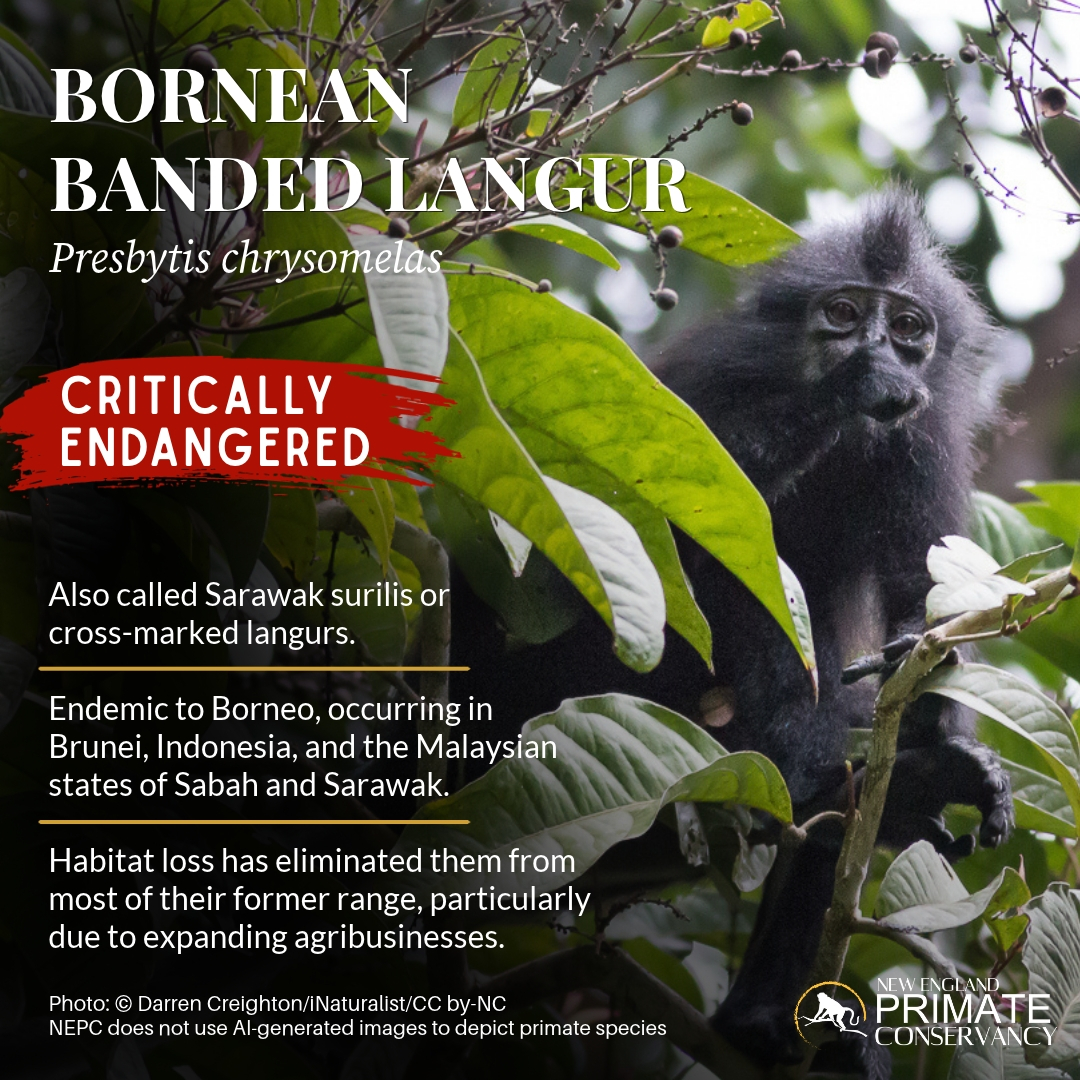
The Bornean banded langur, also called the Sarawak surili or cross-marked langur, is native to the island of Borneo, which is split between Brunei, Indonesia, and Malaysia. They live in swamps, lowland forests, and among mangroves. Borneo is a hotspot for primates, home to a full 17 species. Langurs are the most widely…
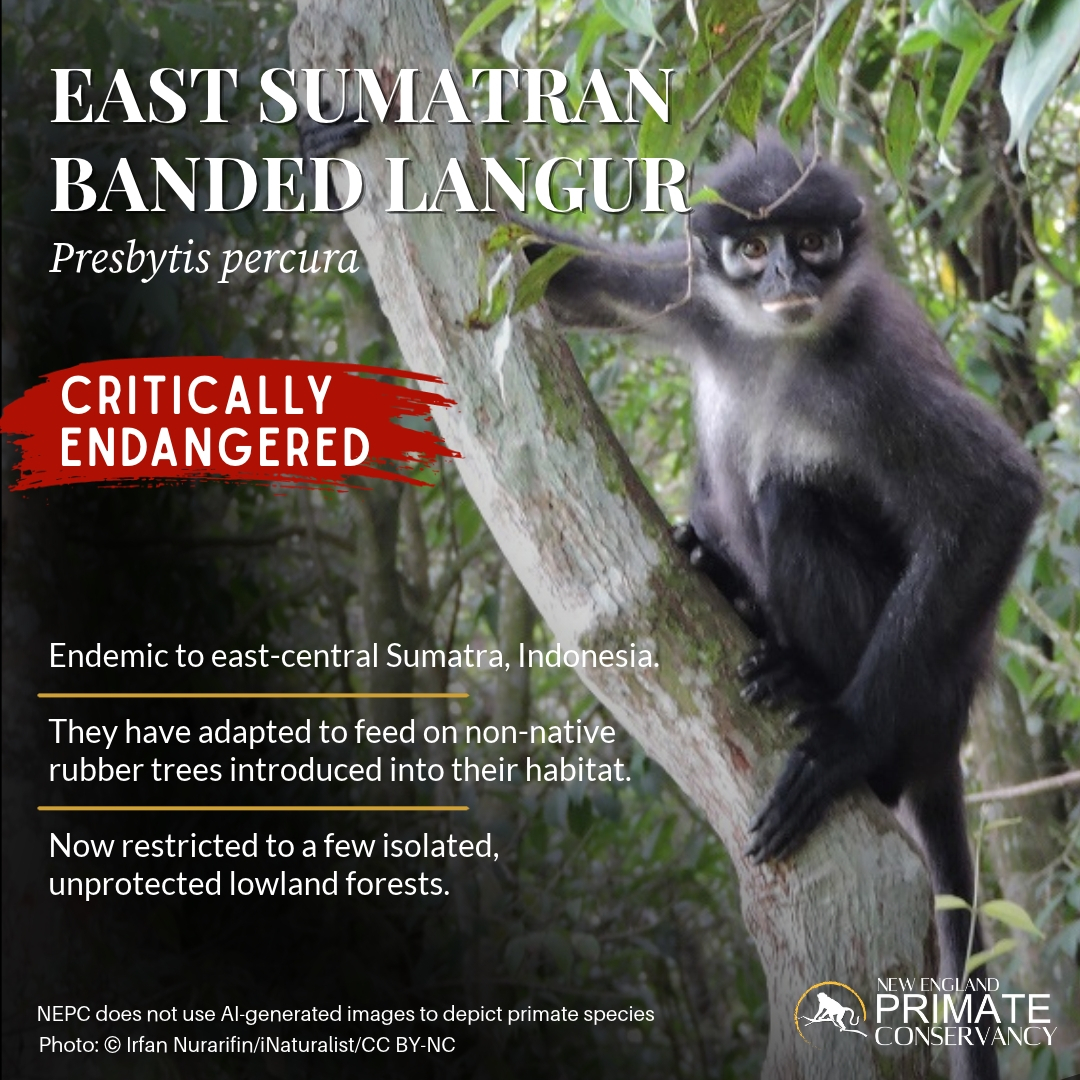
East Sumatran banded langurs (or surilis) are only found in the Riau province of east Sumatra. The Rokan River marks the northern limit for the species. The southern limit has not been determined. They typically reside in mangrove forests and along riverbanks, however, with the high level of agricultural development in the Riau…
Hose’s langurs are found throughout the northern Sarawak and Sabah regions of Malaysia, in East Kalimantan of Indonesia, and in Brunei Darussalam, all of which make up the northern part of the island of Borneo. They can be found near coastal regions and rivers, as well as in mountains. Hose’s langurs primarily call…
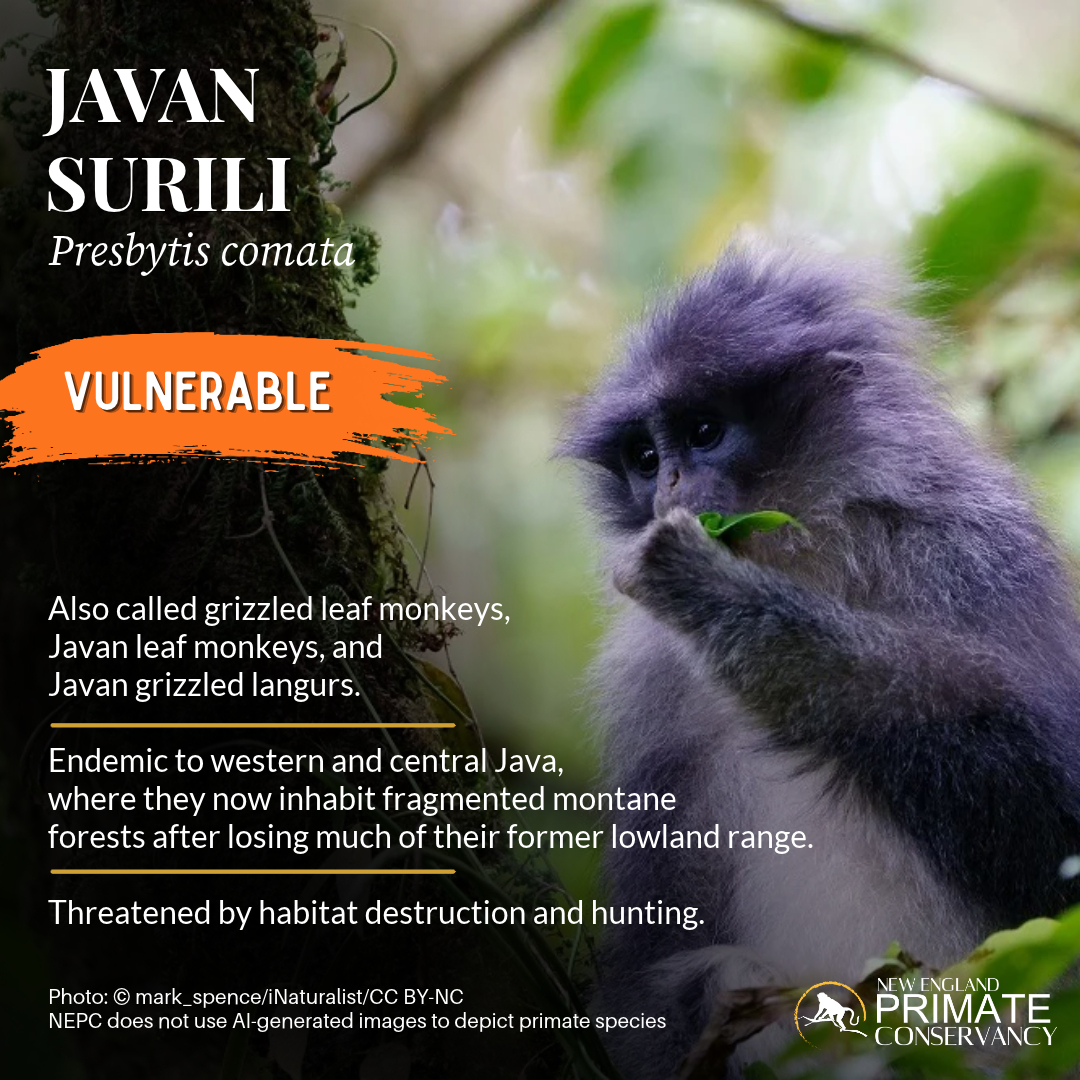
The Javan surili, also known as the grizzled leaf monkey, Javan leaf monkey, or Javan grizzled langur, is native to the volcanic island of Java, one of four tropical islands that comprise Indonesia’s Greater Sunda Islands (the three others being Borneo, Sulawesi, and Sumatra). Found mostly in West Java, this leaf-eating…
Javan fuscous leaf monkeys are native to Indonesia. As their name indicates, they live on the island of Java, which is surrounded by the Indian Ocean to the south and the Java Sea to the north. The island is almost completely covered in volcanoes—45 of which are still active. Javan fuscous leaf monkeys inhabit the mangrove forests…
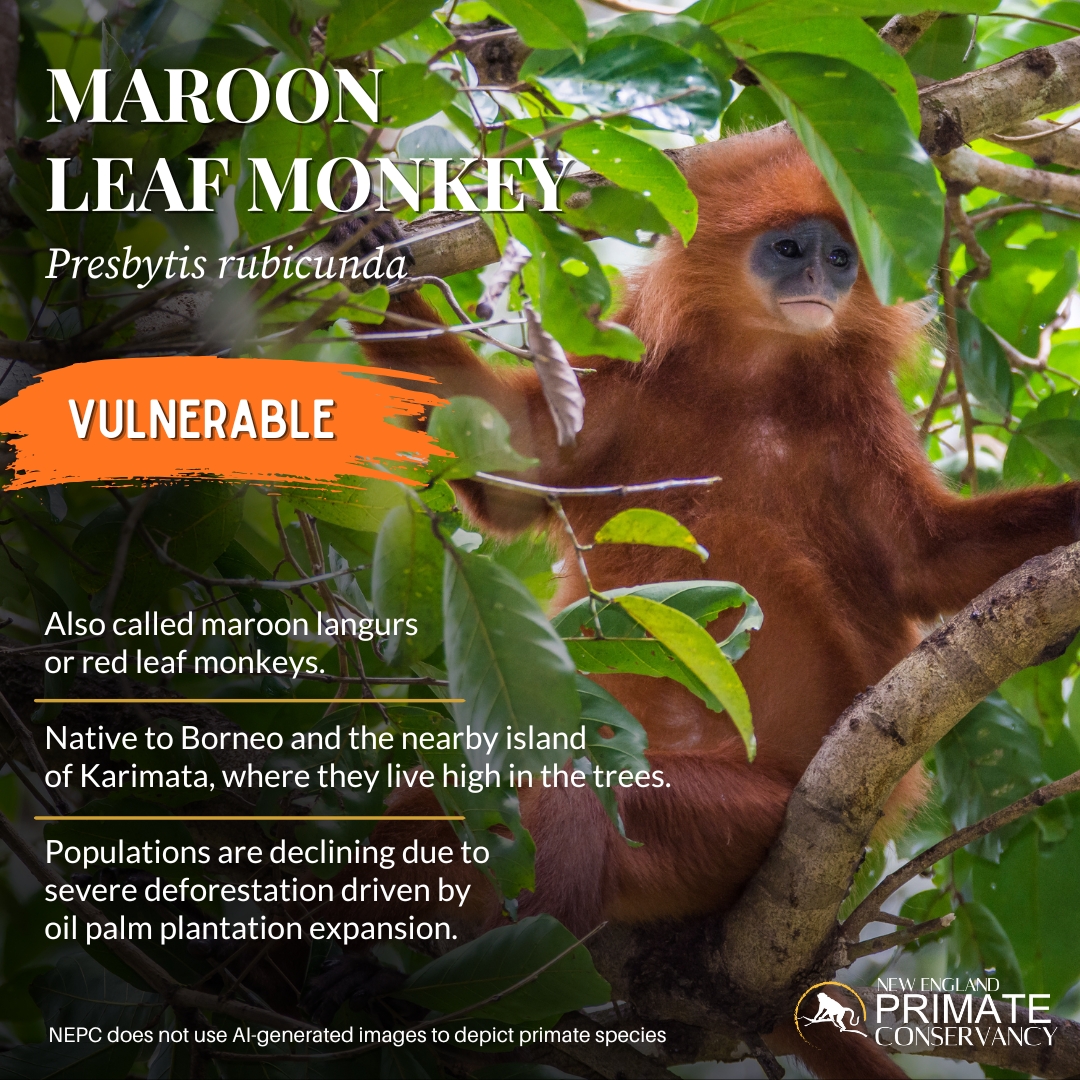
The Maroon leaf monkey is an arboreal primate that is found on the island of Borneo, as well as the smaller nearby island, Karimata. Within Borneo, they can be found in Danum Valley living at altitudes of 6,563 feet or less (2,000m). Borneo is an island that is shared by Malaysia, Indonesia, and Brunei. Maroon leaf monkeys…
The Mentawai surili, also known as the golden-bellied Mentawai Island langur, long-tailed langur, Mentawai langur, or Mentawai leaf monkey, is native to the three southern Mentawai islands off the western coast of Sumatra, Indonesia: Sipora, North Pagai, and South Pagai. On these islands, they prefer to inhabit wet…
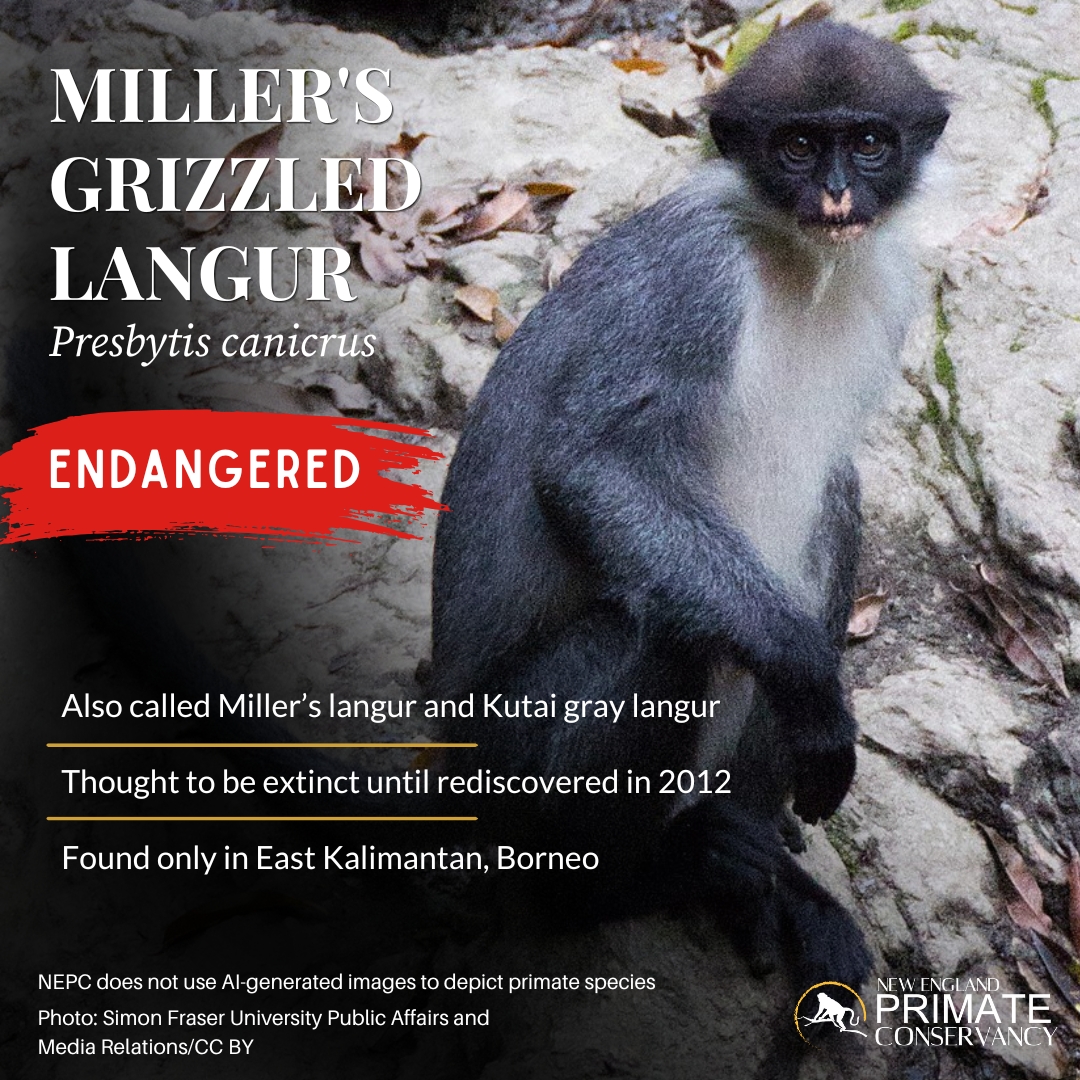
The Miller’s grizzled langur, also known as Miller’s langur, Miller’s grizzled surili, Kutai gray langur, or even the “Dracula monkey”, is native to Indonesia. In fact, it is endemic to the island of Borneo, which means that it is found nowhere else in the world. Borneo is considered a biodiversity hotspot, as it is home to a huge array of…
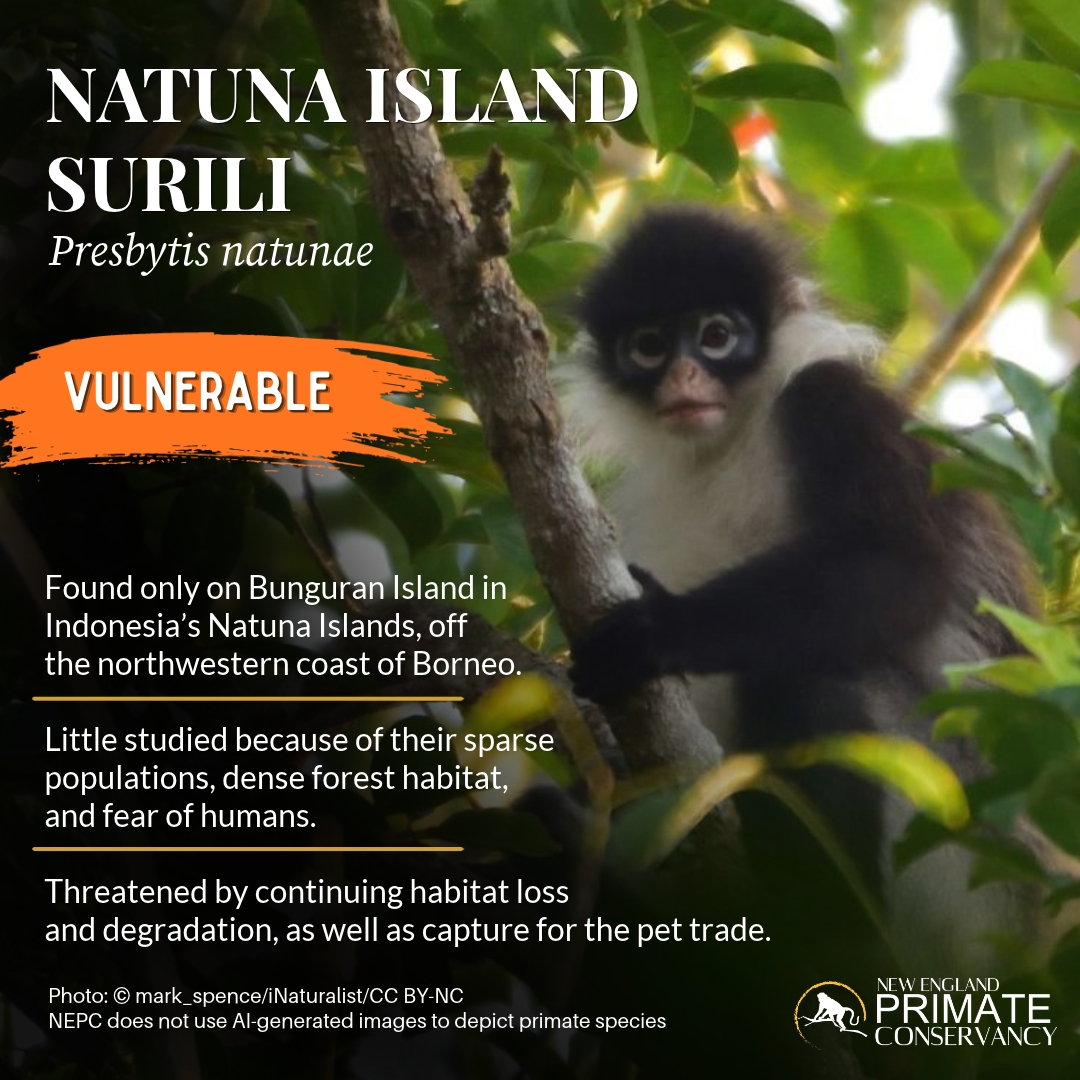
The Natuna Island surili, or Natuna leaf monkey, lives on the Bunguran Island of the Natuna archipelago, some 140 miles (225 km) north of Borneo in South East Asia. The whole island is about 656 square miles (1,700 square km), which is about half the size of Rhode Island, the smallest state in the US. Limited distributions, like…
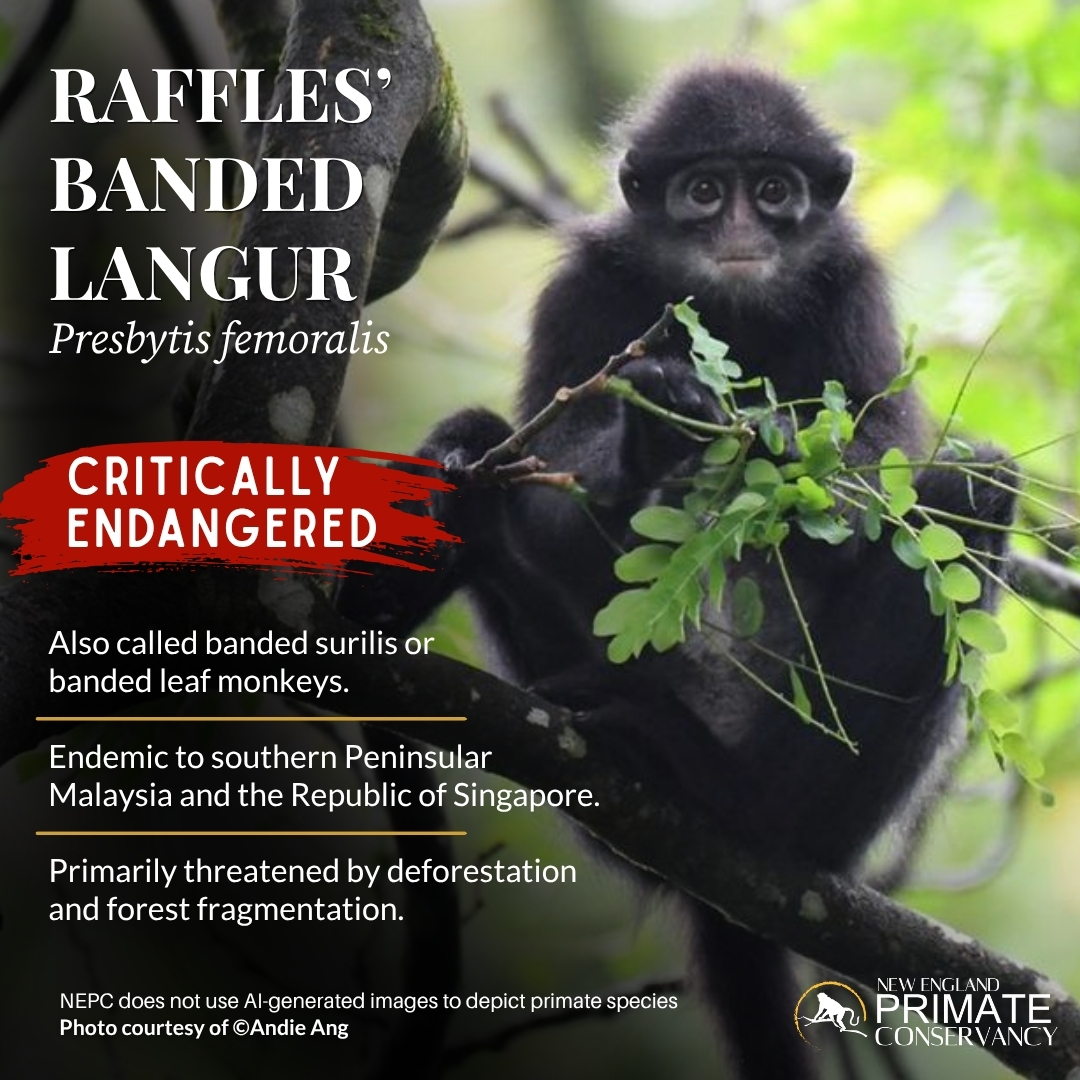
The Raffles’ banded langur is native to the southern tip of the Malaysia and the island nation of Singapore. Their distribution and habitat are limited to small pockets of forests. In Singapore, they are mostly found in the Bukit Timah and Central Catchment Nature Reserves. While in Malaysia, they are only found in the states…
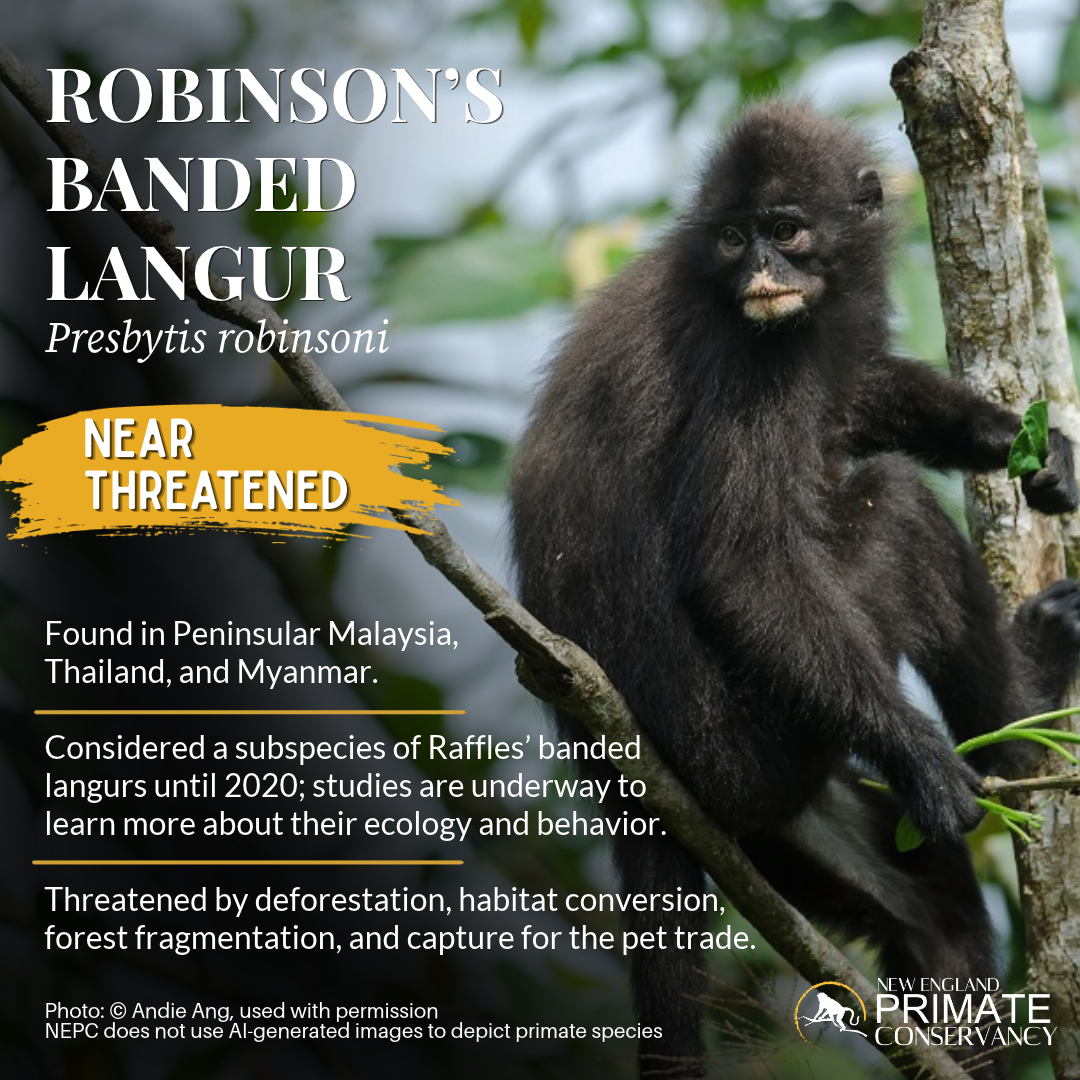
Robinson’s banded langurs naturally occur in the northern peninsula of Malaysia, South Myanmar, and Thailand. They live in tropical and subtropical forests but have adapted to secondary growth and agricultural plantations. Though there are no published estimates of their population, Robinson’s banded langurs are…
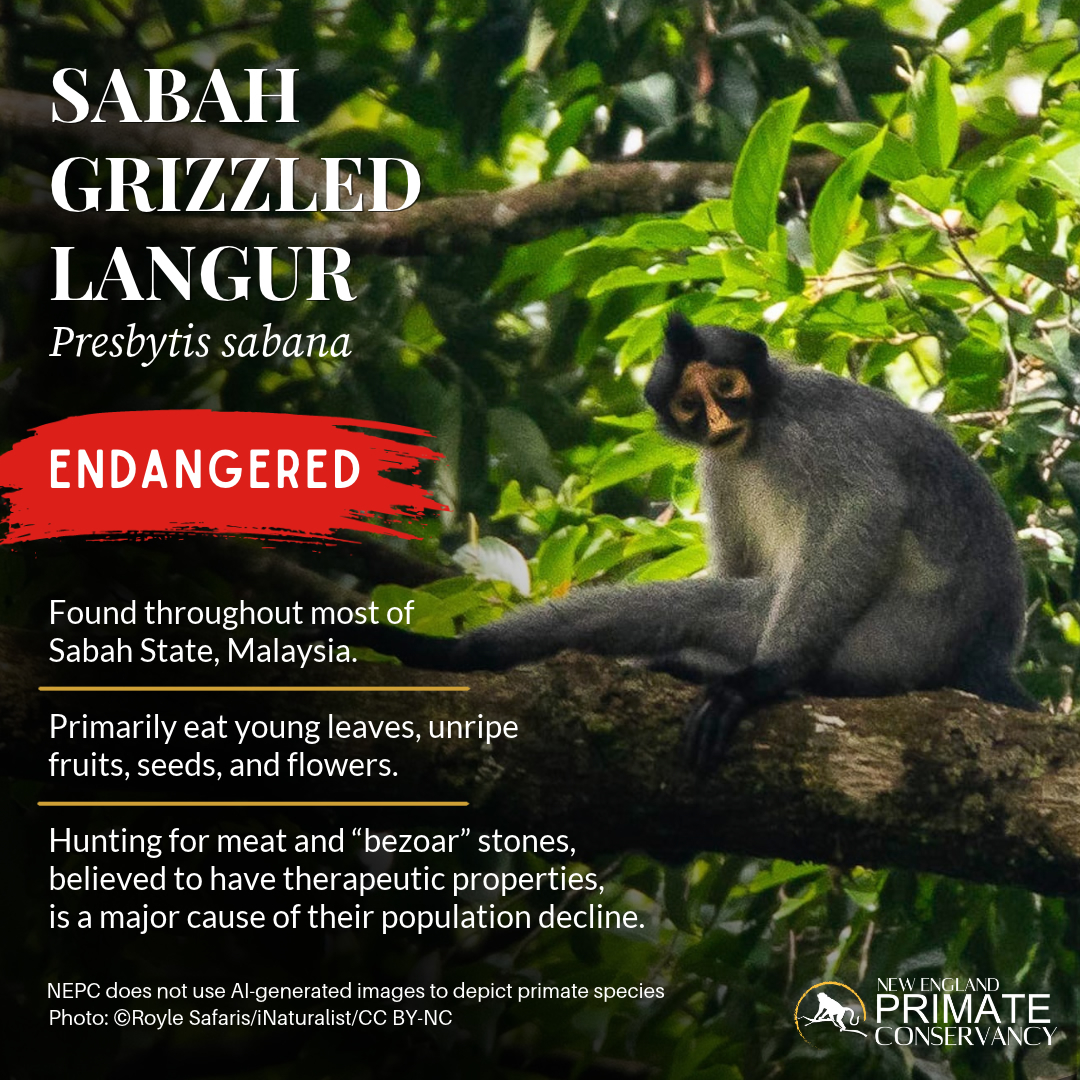
The Sabah grizzled langur, also known as the crested grizzled langur, or the Saban gray langur, is found on the island of Borneo, in the Malaysian province of Sabah. Within their range, they are found in evergreen, lowland, riparian (on a riverbank or stream), montane (mountainous) forests, and tree plantations…
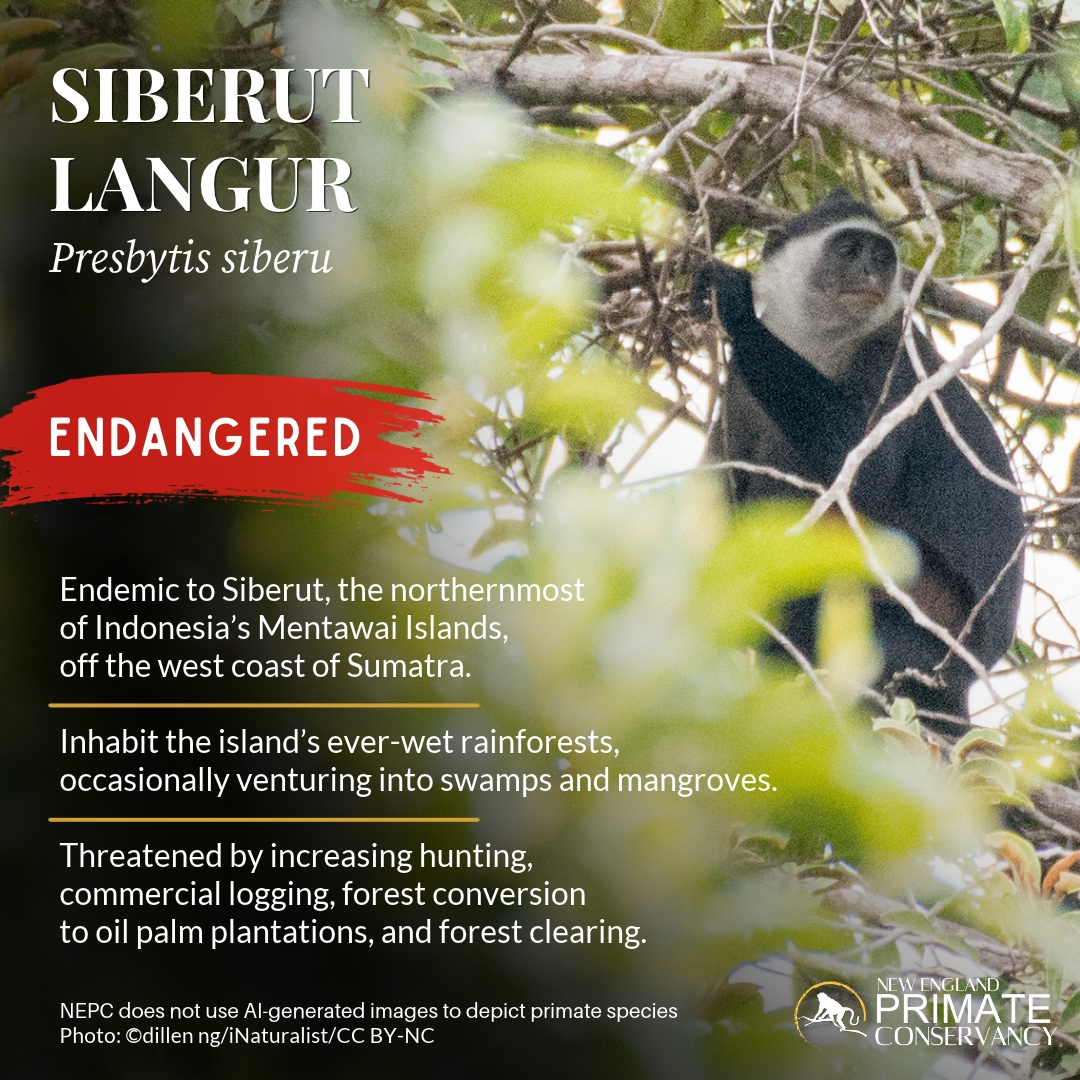
The Siberut langur, also called the sombre-bellied Mentawai Island langur, is endemic to the island of Siberut, the northernmost of the Mentawai Islands off the coast of Sumatra in Indonesia. Being endemic means that they are only found on that single island, and are not found naturally anywhere else in the world. They…
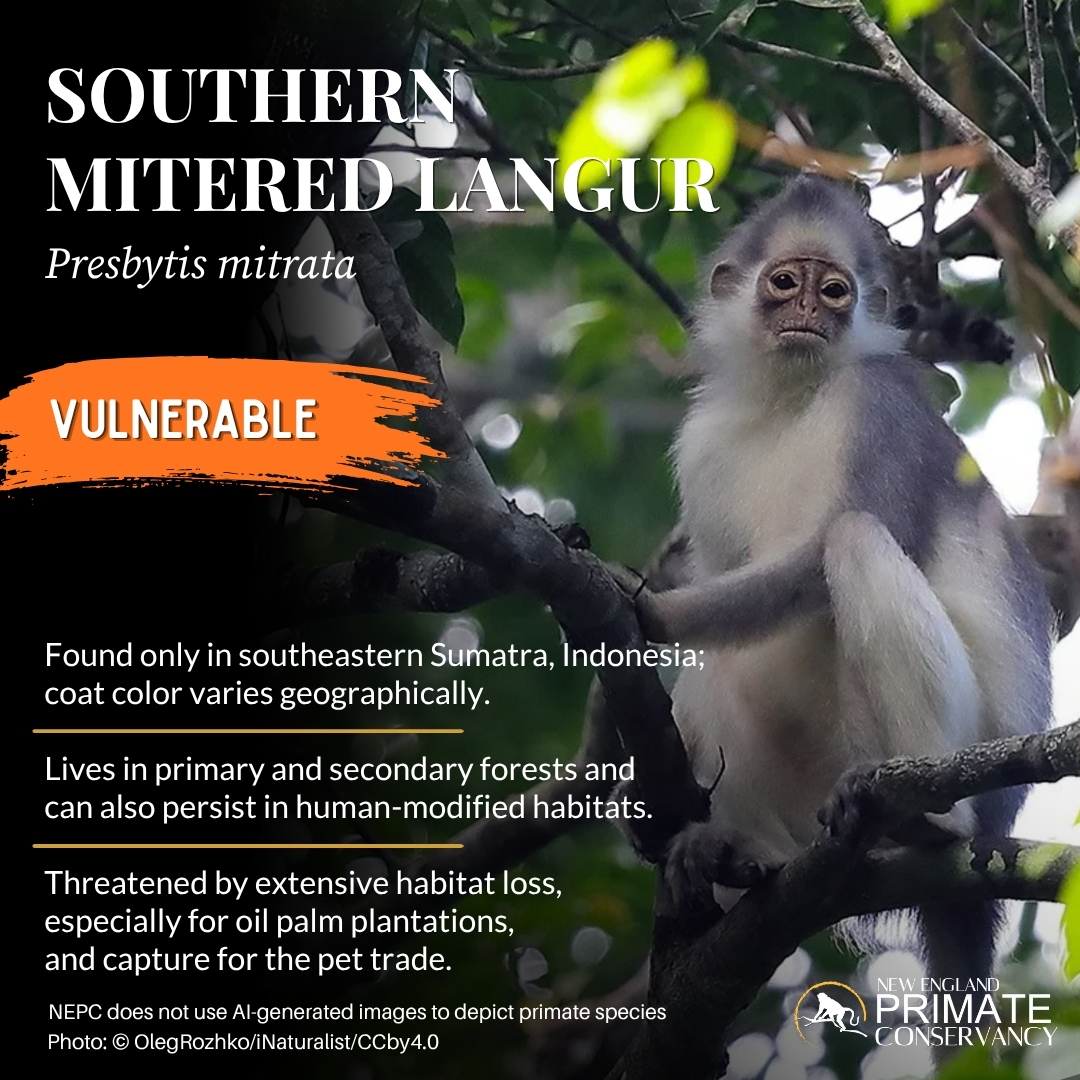
Southern mitered langurs, also known as mitered langurs or depigmented mitered langurs, are native to Indonesia’s largest island: Sumatra. More specifically, they inhabit the southeastern regions of the island, staying east of the Barisan Range, extending from the Batang Hari River to the upper Musi River drainage, as well as…
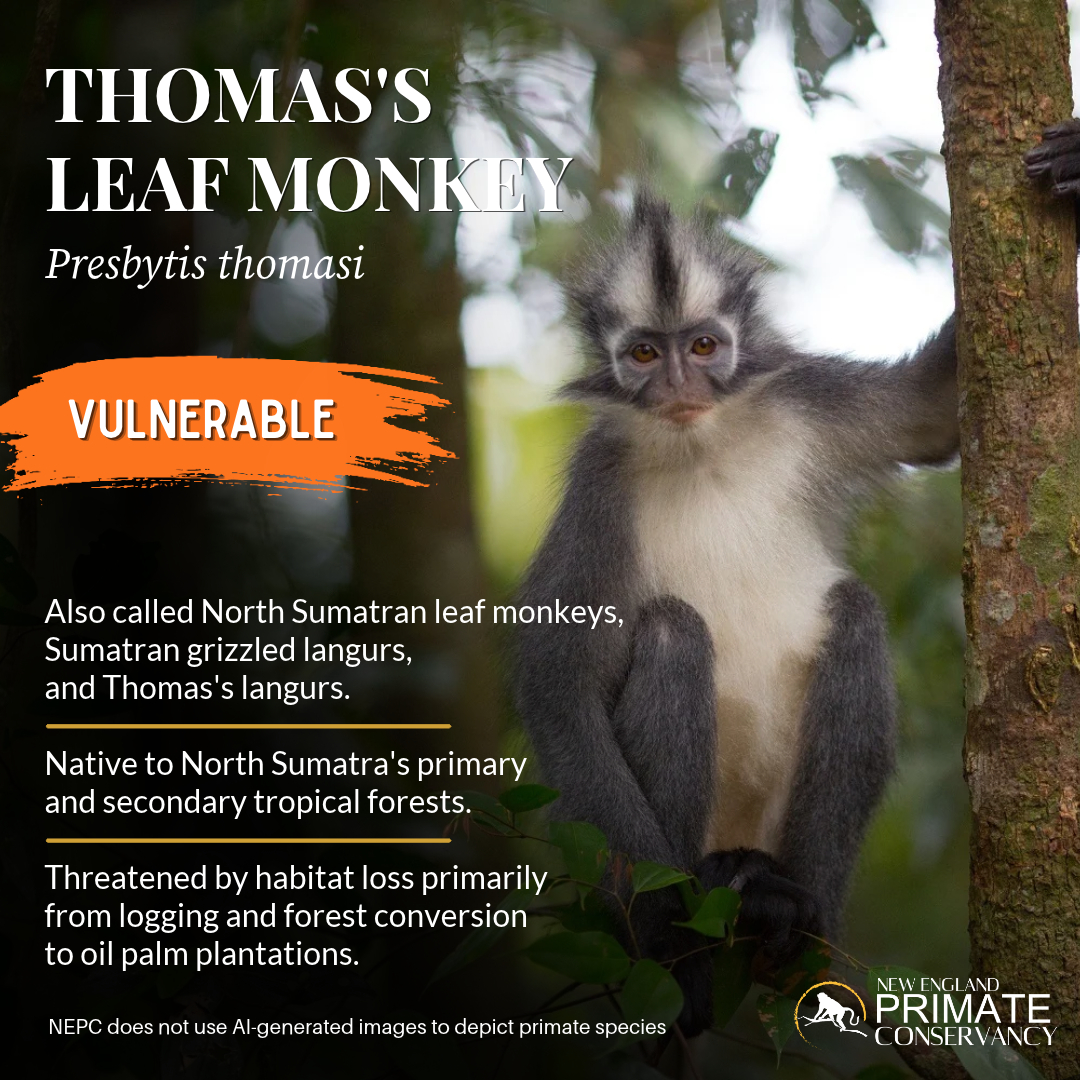
he Thomas’s leaf monkey, also known as the Thomas’s langur, the North Sumatran leaf monkey, or the Sumatran grizzled langur, is an Asian primate native to the northern regions of Sumatra, Indonesia. This species inhabits the evergreen tropical rainforests of Sumatra, where temperatures remain stable throughout the year…
White-fronted langurs inhabit the southern region of Borneo, which is politically divided among Indonesia, Malaysia, and Brunei. They thrive in Kalimantan (Indonesia) and Sarawak (Malaysia). These primates prefer warm tropical forests, particularly dipterocarp forests, characterized by tall trees and dense canopies…
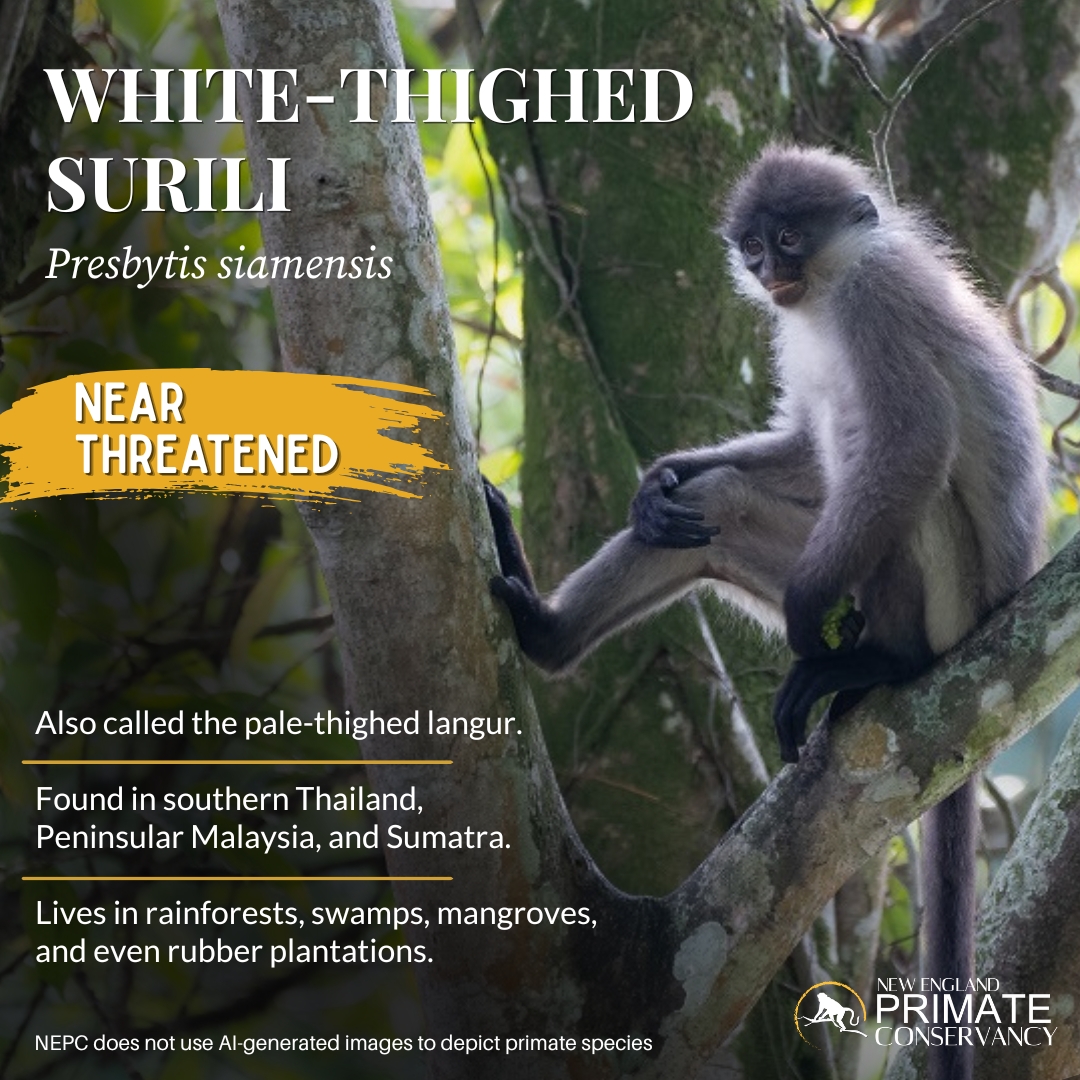
White-thighed surilis, also known as pale-thighed langurs (a species of leaf monkey), are endemic to Southeast Asia. Isolated populations reside in the countries of Indonesia on the island of Sumatra and east of Sumatra on the granite islands of the Riau Archipelago within the Strait of Malacca; in the Peninsular Malaysia…