
NEPC’s Origins Story
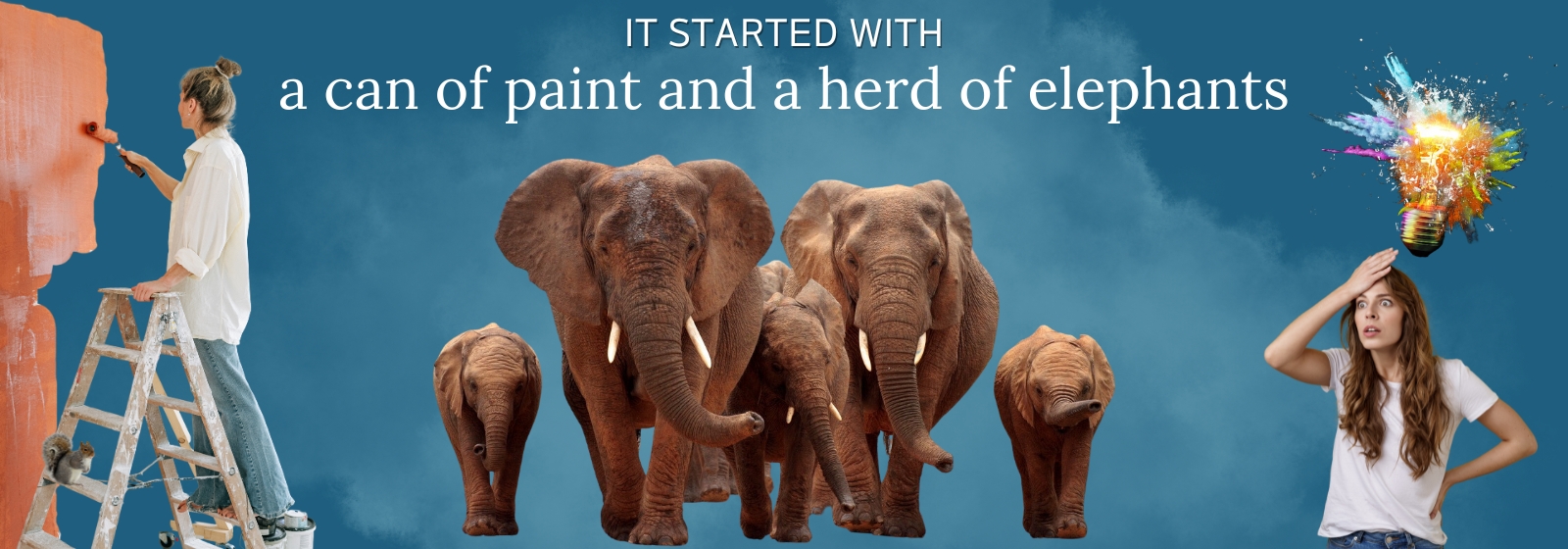
New England Primate Conservancy emerged from a moment of recognition.
NEW ENGLAND PRIMATE CONSERVANCY’S ORIGINS
Told by Debra Curtin, Founder
New England Primate Conservancy did not begin with a plan or a blueprint. It emerged from a moment of recognition—one that brought together experiences, observations, and questions that had long existed separately, and suddenly made them whole.
Early Coexistence
I grew up in New York City, where squirrels, pigeons, sparrows, and starlings shared the same streets, benches, and air—moving through the city alongside us rather than apart from us. They lived their lives as we lived ours, each within the same shared space.
As children, we didn’t think about wildlife in any formal way. We noticed animals, adapted to their presence, and accepted that they belonged there as much as we did. There was no sense of ownership, no expectation of control. Coexistence wasn’t a value we articulated—it was simply the way things were.
Learning How Systems Work
As my life unfolded, my attention turned toward human systems. I spent decades working in customer service, organizational development, training, and technology-driven environments—always focused on how people understand, communicate, and navigate complexity.
That work centered on human behavior: how understanding is built, how it breaks down, and how systems either support or undermine meaningful connection. At the time, I did not recognize how profoundly these experiences would later inform my understanding of the living world.
The Moment Everything Came Together
The moment that changed everything arrived unexpectedly.
I was painting my living room, with a nature documentary playing in the background. The program described a region in Africa where elephants had been eliminated. Without them, the land collapsed into a dustbowl. When elephants were later reintroduced, the ecosystem recovered—through their movement, their feeding behavior, and especially their dung. Elephants were not simply inhabitants of the land. They were its architects.
In that instant, something fundamental shifted. I understood the interdependence of biodiversity—not as an abstract idea, but as a clear, undeniable picture of how life works. Animals were not peripheral to ecosystems; they were central to them, shaping land, water, and life itself in precise, irreplaceable ways.
Everything I had seen separately—animals living alongside people, land changing through human action, systems succeeding or failing based on understanding—suddenly came together. Interdependence was no longer a concept I had encountered; it was the organizing principle of life on Earth. I asked aloud, to no one and everyone, “Who do we think we are, and what are we doing to the Earth?”
Once this understanding became visible, it could not be unseen. Doing nothing to preserve biodiversity was no longer an option.
From Recognition to Responsibility
I did not yet know what form action would take. But I understood that responsibility required action—and that action would have to be grounded in understanding.
That meant learning deeply and deliberately. It meant asking difficult questions. It meant considering which species might help people recognize themselves as part of the living world rather than separate from it.
Primates emerged as a powerful bridge. As our closest living relatives, nonhuman primates reflect back to us both what we share and what we too often deny. Through nonhuman primates, it becomes possible to explore intelligence, emotion, social complexity, and interdependence in ways that resonate deeply with people.
From Protection to Education
New England Primate Conservancy was founded in 2002 with a serious commitment to primate protection. For several years, the organization pursued the creation of a primate sanctuary in Massachusetts—work that involved extensive research, advocacy, and collaboration with respected academics, conservation professionals, and government officials. These efforts reflected deep respect for the demanding nature of rescue and lifetime care, and for the essential role sanctuaries play in protecting individual lives.
After eight years of sustained effort, institutional barriers made it impossible to move the sanctuary forward. This was not a decision to stop. It was a reality imposed by forces beyond the organization’s control.
During those same years, NEPC was also developing educational resources. Over time, education revealed itself as the most effective and responsible way to continue the organization’s work—by helping people understand who primates are, how they live, and why they matter.
At first, these materials were simply made available on the website without promotion or fanfare, intended as tools rather than a focal point. What followed was unexpected. Teachers, students, and lifelong learners began finding them. Their response revealed an unmet need: the resources filled an educational gap.
In response, NEPC deepened and expanded its educational offerings, building a growing library designed to make primate lives—and their ecological roles—understandable, accurate, and accessible to a wide audience.
From Understanding to Action
New England Primate Conservancy ultimately emerged from a clear conviction: conservation cannot succeed without understanding. Education stands as the most direct and ethical way to respond to biodiversity loss—by helping people recognize their connection to the living systems that sustain us all.
NEPC’s educational programs are designed to turn knowledge into insight, and insight into compassion. By learning about primates—their intelligence, social lives, and ecological importance—people begin to see biodiversity not as an abstract concept, but as a living system in which they are participants, not observers.
In a culture where wildlife is often framed as an intrusion or a threat, education offers a different lens—one grounded in shared space, interdependence, and responsibility.
This work continues because it must. As understanding deepens, so does responsibility. New England Primate Conservancy exists to make that understanding accessible, to foster compassion, and to inspire the choices that will shape a more resilient future for life on Earth.