
Biodiversity Systems
BIODIVERSITY SYSTEMS
Biodiversity functions through a series of living systems that sustain life on Earth. Together, these systems create resilient ecosystems, recycle nutrients, produce oxygen, regulate climate, purify water, support food webs, reduce the impacts of many natural hazards, and perform incalculable other functions that allow life to flourish.
The remarkable thing about biodiversity is not simply that it exists—it’s that it works. Every living thing contributes to systems that support myriad others. Let’s explore some of the remarkable processes that keep Earth’s living systems working.

How Do Living Systems Create Resilient Ecosystems?
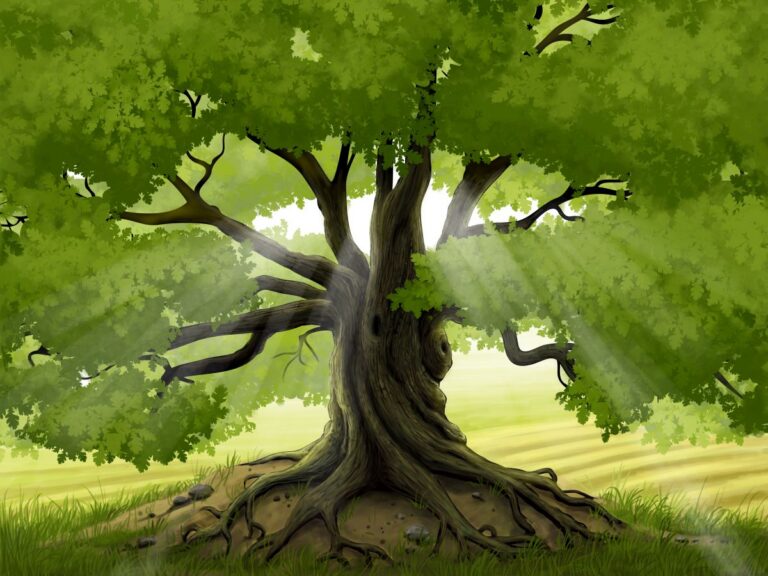
Every ecosystem experiences change. Rainfall varies. Temperatures rise and fall. Storms reshape landscapes. Diseases spread. Food supplies fluctuate. Some species decline while others increase. A resilient ecosystem is not one that remains unchanged. It is one that can absorb disruption, adjust, and continue supporting life.
Resilient ecosystems are not created by chance. They emerge from millions of relationships among living things and the physical environments they inhabit. Every ecosystem—whether a rainforest, coral reef, wetland, grassland, desert, or tundra—contains species uniquely adapted to the conditions around them. Together, they perform a wide range of functions that keep the ecosystems healthy, stable, and able to recover from change.
Plants, animals, fungi, and microorganisms each contribute in different ways. Some create food, some recycle nutrients, some disperse seeds, some regulate populations, and others enrich the soil or improve water quality. No species performs every task, but together they create systems that are far stronger than any one species could achieve alone.
The greater the diversity of life within an ecosystem, the more pathways it has to respond to drought, disease, invasive species, storms, and other natural disturbances. Resilience does not come from one especially strong species. It comes from the combined work of many species, connected through a vast array of relationships. When one part of the system is strained, others continue performing the essential work that keeps the ecosystem functioning.
A richly diverse ecosystem therefore has more than variety. It has options.

How Do Living Systems Produce the Air We Breathe?

Every breath you take contains oxygen released by living organisms. Yet most of us rarely stop to wonder where that oxygen comes from—or what must happen every day to keep replenishing it.
The answer begins with sunlight.
Plants, trees, grasses, algae, and microscopic phytoplankton in the oceans capture energy from the sun through photosynthesis. Using sunlight, water, and carbon dioxide, they produce the sugars they need to grow. Oxygen is released as a natural byproduct of this remarkable process.
That oxygen supports animals around the world, including humans. In return, animals breathe in oxygen and release carbon dioxide, which plants use to produce food through photosynthesis. It is one of Earth’s great recycling systems—a continuous exchange that has sustained life for hundreds of millions of years.
Forests play an especially important role because they contain enormous numbers of plants working together. But they are only part of the story. The world’s oceans, through innumberable microscopic phytoplankton drifting near the surface, produce roughly half of the oxygen released into Earth’s atmosphere. Together, forests, grasslands, wetlands, algae, and oceans continually renew the air upon which nearly all life depends.
No single tree, meadow, or stretch of ocean could accomplish this alone. It is biodiversity working through living systems, across every continent and every ocean, that keeps Earth’s atmosphere in balance.
The air we breathe is not simply part of our environment. It is one of biodiversity’s greatest achievements—a living system operating continuously, quietly, and largely unnoticed.
How Do Living Systems Clean Water?

Every drop of rain begins a remarkable journey.
Some water rushes into streams and rivers. Some soaks into the ground. Some is absorbed by the roots of plants. Some evaporates back into the atmosphere. Along the way, living systems quietly help clean, store, and distribute the freshwater upon which nearly all life depends.
Healthy soil is one of nature’s first filters. As water moves through layers of soil, it slows down. Tiny spaces between soil particles trap sediments, while living communities of plant roots, fungi, bacteria, and other microorganisms absorb, transform, or break down many substances carried by the water. By the time much of that water reaches underground aquifers, streams, or wetlands, it has already been naturally filtered.
Wetlands continue the process. Often called nature’s kidneys, wetlands slow moving water, allowing sediments to settle while plants and microorganisms remove excess nutrients and many pollutants. At the same time, wetlands store enormous amounts of water, releasing it gradually into surrounding ecosystems instead of allowing it to rush downstream all at once.
Forests play an equally important role. Their roots hold soil in place, reducing erosion that would otherwise wash sediments into rivers and lakes. Fallen leaves and decaying wood help the soil absorb rainfall like a sponge, reducing runoff and allowing more water to soak into the ground. Instead of racing across the landscape, water becomes part of a slower, healthier cycle.
These systems do far more than provide clean water for people. They sustain rivers, lakes, wetlands, forests, grasslands, and every species that depends upon them. Fish require clean streams. Amphibians breed in healthy wetlands. Plants depend on moisture stored in the soil. Entire ecosystems rely on water arriving in the right place, at the right time, and in the right condition.
Clean water does not happen by accident. It is the result of a vast array of living processes working together, every hour of every day. Biodiversity doesn’t simply use water—it helps keep Earth’s freshwater clean, moving, and available to support life.
How Do Living Systems Help Regulate Earth's Climate?
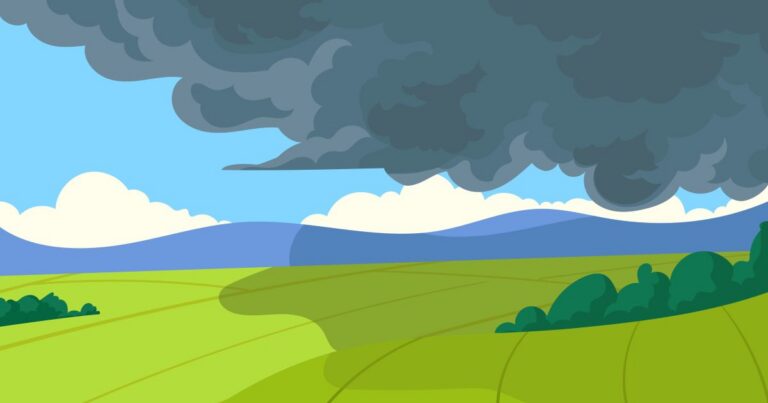
Weather does not simply appear in the sky. It is shaped by interactions among the oceans, forests, grasslands, wetlands, mountains, ice, and the atmosphere itself. Together, these living and physical systems continually move heat, water, and gases around our planet, helping create the climate upon which life depends.
The journey begins with the sun. As sunlight warms Earth’s surface, water evaporates from oceans, lakes, rivers, and soil. Plants add even more moisture to the atmosphere through a process called transpiration, releasing water vapor from their leaves. A single mature tree can release hundreds of gallons of water into the atmosphere over the course of a day. Across an entire forest, billions of leaves act together, sending enormous amounts of water skyward.
As this moisture cools, it condenses into clouds. Winds carry those clouds across landscapes where they eventually return water to Earth as rain or snow. Some forests produce so much water vapor that they help influence rainfall hundreds or even thousands of miles away, creating atmospheric pathways that sustain ecosystems far beyond their own boundaries.
Living systems also help regulate temperature. Forests provide shade that cools the land beneath them. Water evaporating from leaves carries heat away, much like perspiration cools our bodies. Plants absorb carbon dioxide during photosynthesis, helping regulate one of the gases that influences Earth’s climate. Oceans absorb and store enormous amounts of heat, preventing temperatures from changing as dramatically as they otherwise would.
None of these processes works alone. Water, air, sunlight, plants, soils, and oceans are continually interacting, each influencing the others. Together, they form one of Earth’s largest living systems—one that helps maintain the environmental conditions that allow today’s extraordinary diversity of life to flourish.
Climate is not controlled by a single force. It emerges from billions of interactions occurring across the planet every moment of every day. Biodiversity is not separate from that process. It is one of the reasons the process works.
How Do Living Systems Sustain Food Supplies?
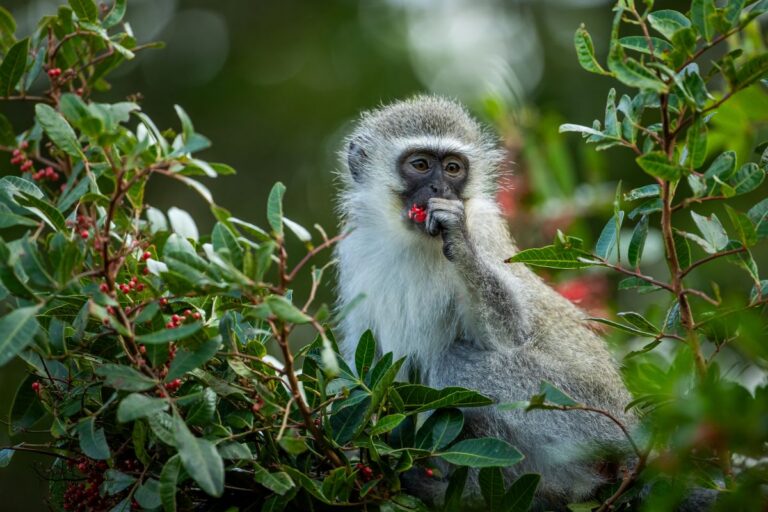
Every living thing depends on food. Whether it is a tiny insect, a whale in the ocean, a monkey in the rainforest, or a person sitting down to dinner, life depends on a continuous supply of energy. Living systems make that possible.
Once again, the process begins with sunlight. Plants capture the sun’s energy through photosynthesis, creating the food that supports nearly every living system on Earth. They become the foundation of a range of food webs, providing leaves, fruits, seeds, nectar, and other resources that nourish an extraordinary variety of animals.
But producing food is only the beginning.
Healthy soil plays an essential role. Beneath every ecosystem, fungi, bacteria, insects, earthworms, and other organisms continually recycle nutrients, allowing plants to grow season after season. Without these hidden communities, the nutrients needed to produce food would gradually become locked away, and the living system would begin to fail.
As plants grow, pollinators help many of them produce flowers, fruits, and seeds. Birds, bats, and other animals, including primates, disperse those seeds, helping new plants grow throughout a wide variety of ecosystems. As plants spread and mature, they provide food and shelter for future generations of living things.
Plants feed herbivores, fruit-eaters, and many omnivores. In turn, these animals help shape the ecosystems that continue producing food by dispersing seeds, pollinating flowers, and returning nutrients to the soil through their droppings. Predators help regulate animal populations, preventing entire plant communities from being overgrazed and helping maintain the balance that keeps ecosystems healthy and productive.
The result is far more than food for individual species. Living systems continually renew the resources upon which all life depends. They don’t simply produce food—they create the conditions that allow food to be produced again and again, generation after generation.
A meal is never just a meal. It is the final step in a journey that began with sunlight and passed through a vast array of living systems before reaching our plates.
How Do Living Systems Reduce the Impacts of Natural Hazards?
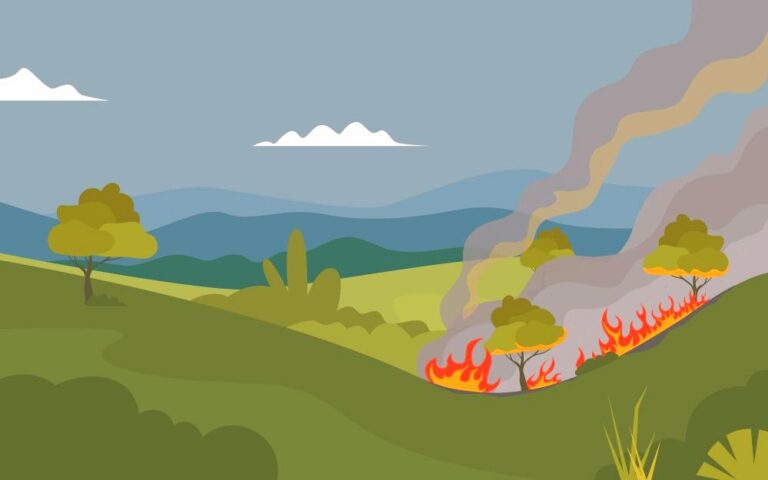
Earth has always experienced storms, floods, droughts, wildfires, volcanic eruptions, earthquakes, and other natural events. They are part of our planet’s history and continue to shape the landscapes upon which life evolves.
Living systems cannot prevent these events from occurring. They can, however, reduce many of their impacts.
Along tropical coastlines, coral reefs act as natural breakwaters. Their complex structures absorb and disperse the energy of incoming waves before they reach the shore. Approaching land, mangrove forests extend that protection. Their dense, intertwined roots slow storm surges, trap sediments, reduce erosion, and help stabilize coastlines during powerful storms.
Farther inland, different ecosystems protect the land in different ways. Forests anchor hillsides and reduce erosion, while grasslands, wetlands, and other habitats absorb and store water, helping reduce flooding and stabilize landscapes. Roots anchor soil to hillsides, reducing erosion and helping prevent landslides. Fallen leaves and healthy soils absorb rainfall like a sponge, slowing runoff and reducing the severity of flooding. Grasslands and wetlands store enormous amounts of water during heavy rains, releasing it gradually instead of allowing it to rush downstream all at once.
Even fire plays a role in many ecosystems. Some forests, grasslands, and savannas evolved with periodic fires started by lightning. These natural fires clear accumulated vegetation, recycle nutrients into the soil, stimulate new plant growth, and help maintain healthy habitats for many species. Far from destroying these ecosystems, they often renew them.
No living system can stop an earthquake or prevent a hurricane from forming over the ocean. But healthy ecosystems frequently lessen the damage these events cause by slowing water, stabilizing soil, reducing wave energy, storing floodwater, and helping landscapes recover afterward.
Nature’s protection does not come from a single species or a single habitat. It emerges from many living systems working together, each performing a different job. Biodiversity helps create landscapes that are not only rich in life, but better able to withstand nature’s inevitable challenges.
How Do Living Systems Fuel Discovery and Innovation?
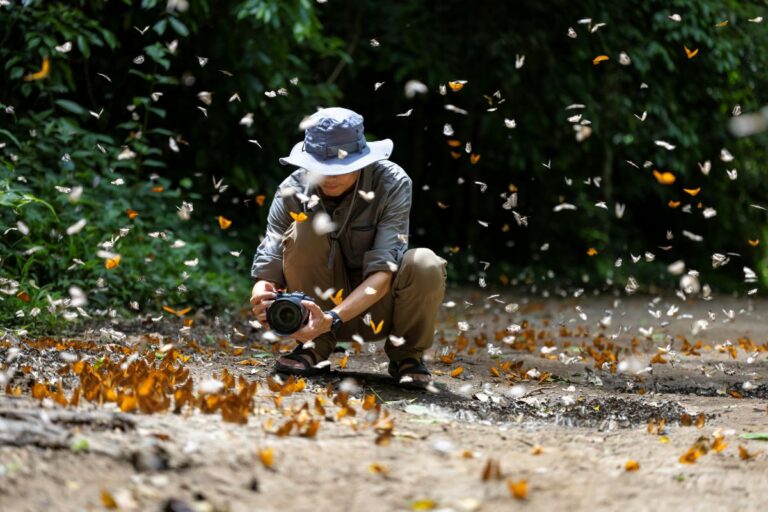
For thousands of years, people have looked to nature for answers.
Long before modern laboratories existed, people learned which plants eased pain, reduced fever, or helped heal wounds. Today, scientists continue to study the extraordinary diversity of life, discovering new compounds, materials, and ideas inspired by organisms that have spent millions of years adapting to the challenges of survival.
Every species is solving problems.
Plants produce chemicals that discourage insects or protect them from disease. Fungi break down materials that few other organisms can digest. Animals have evolved remarkable ways to move, communicate, camouflage, heal, and survive in environments ranging from tropical rainforests to the deepest oceans.
Many of these natural solutions have inspired advances in medicine, engineering, agriculture, robotics, architecture, and a variety of other fields. Medicines used to treat infections, cancer, heart disease, and other illnesses trace their origins to compounds first discovered in plants, fungi, bacteria, and other living organisms. Engineers have designed stronger materials by studying spider silk, quieter aircraft by examining owl feathers, and more efficient adhesives by learning how mussels cling to rocks in pounding surf.
Every species represents millions of years of evolutionary problem-solving. Each has developed a distinctive combination of adaptations that helps it meet the particular challenges of its environment. Together, those adaptations form an extraordinary reservoir of knowledge that scientists are still exploring.
The greatest discoveries may not yet have been made.
Millions of species remain poorly understood, and many have never been studied at all. Every time we learn how another living system works, we gain new insights—not only about nature, but about ourselves and the challenges we face.
Biodiversity does more than sustain life. It continually expands our understanding of what is possible, reminding us that some of our greatest innovations begin not with invention, but with observation.
How Do Living Things Help Build Living Systems?
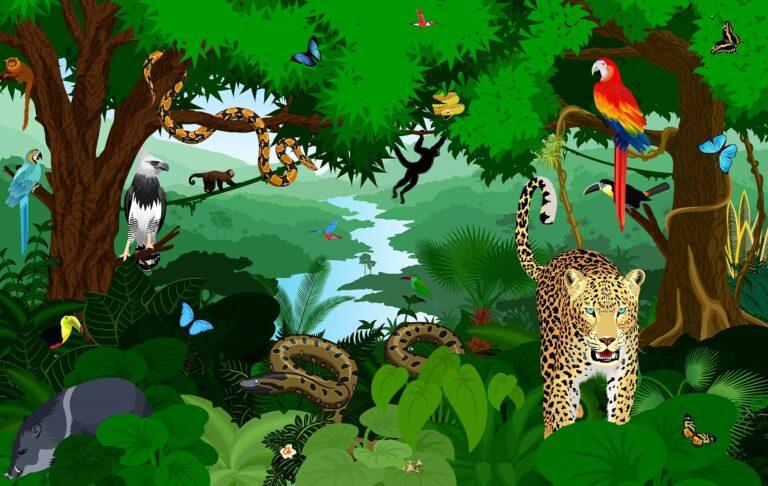
Animals are often seen as inhabitants of nature, moving through forests, grasslands, rivers, and oceans in search of food and shelter. In reality, they are also active participants, continually shaping the very ecosystems upon which they depend.
As animals go about their daily lives, they perform countless jobs that help keep living systems healthy and functioning.
Many birds, bats, primates, and other mammals eat fruits and carry seeds far from the parent plant before depositing them elsewhere. Those seeds often germinate, allowing forests to regenerate, expand, and recover from natural disturbances. Some of the world’s largest forests owe much of their continued renewal to animals that unknowingly plant the next generation of trees.
Herbivores also shape the landscapes in which they live. As deer, antelope, elephants, caterpillars, and other plant-eating animals forage, they influence which plants thrive, where seeds are dispersed, and how vegetation grows. Their feeding creates opportunities for some species while limiting others, helping shape the structure of entire ecosystems. In turn, when some herbivores become food for predators, they transfer the energy captured by plants through the rest of the food web.
Other animals shape the landscape itself. Beavers build dams that create wetlands used by hundreds of other species. Corals build the massive reef systems that protect coastlines and provide homes for thousands of marine organisms. Earthworms and other soil-dwelling animals continually mix and aerate the soil, improving its ability to absorb water and support plant growth.
Even the largest animals contribute in unexpected ways. Whales transport nutrients through the oceans as they feed, dive, and migrate, helping support the microscopic organisms that form the foundation of marine food webs. Elephants reshape landscapes on the ground. Orangutans reshape forests high in the canopy, creating gaps, building nests, and dispersing seeds as they move through the trees. Across land and sea, animals are continually moving seeds, nutrients, energy, and even the conditions needed for new life to flourish.
Animals are not simply passengers within living systems. They are builders, gardeners, engineers, recyclers, and problem-solvers, each contributing in ways shaped by millions of years of evolution.
Every species has a job. Together, those jobs help create and maintain the extraordinary living systems that make life on Earth possible.
How Does Biodiversity Enrich Our Lives?

The living systems that sustain life also enrich it.
Long before people understood biodiversity, they were inspired by it. The rhythms of the seasons shaped celebrations and traditions. Birds, flowers, forests, mountains, rivers, and oceans found their way into art, music, literature, and storytelling. Throughout history, nature has influenced not only how we survive, but how we imagine, create, and connect with one another.
Our relationship with nature is also deeply personal. A walk through a forest, paddling a quiet river, hiking a mountain trail, birdwatching, gardening, kayaking along a coastline, or simply sitting beneath the shade of a tree allows us to experience biodiversity firsthand. These moments encourage exploration, recreation, relaxation, and a deeper appreciation for the living world around us. They also remind us that nature is not something separate from our lives—it is where many of our most meaningful experiences take place.
Spending time in nature benefits our well-being. The sound of waves along a shoreline, birds singing at dawn, or the quiet beauty of a night sky can calm the mind, reduce stress, and restore our sense of perspective. Even brief experiences in nature have been shown to improve mood, sharpen attention, and support physical and mental health.
Nature awakens curiosity. A child who watches ants carrying food, a butterfly emerging from its chrysalis, or mushrooms appearing overnight may begin asking questions that lead to a lifelong fascination with the natural world. Every discovery reveals another mystery, reminding us that there is always more to learn.
For scientists, artists, photographers, writers, musicians, educators, and explorers, biodiversity is an endless source of inspiration. Every species tells a story. Every ecosystem reveals new relationships. Every unanswered question invites another discovery.
Perhaps most importantly, biodiversity reminds us that we are part of something far larger than ourselves. We share this planet with millions of other species, each contributing to the living systems that have made Earth a home for all of us.
The more we understand those systems, the more likely we are to value them—not only for what they provide, but for the wonder, beauty, and sense of connection they bring to our lives.
Every living system we’ve explored is operating simultaneously, every moment of every day. Together, they sustain the extraordinary diversity of life on Earth—not through chance, but through innumerable relationships that have developed over millions of years. The more we understand these systems, the better prepared we are to protect them.
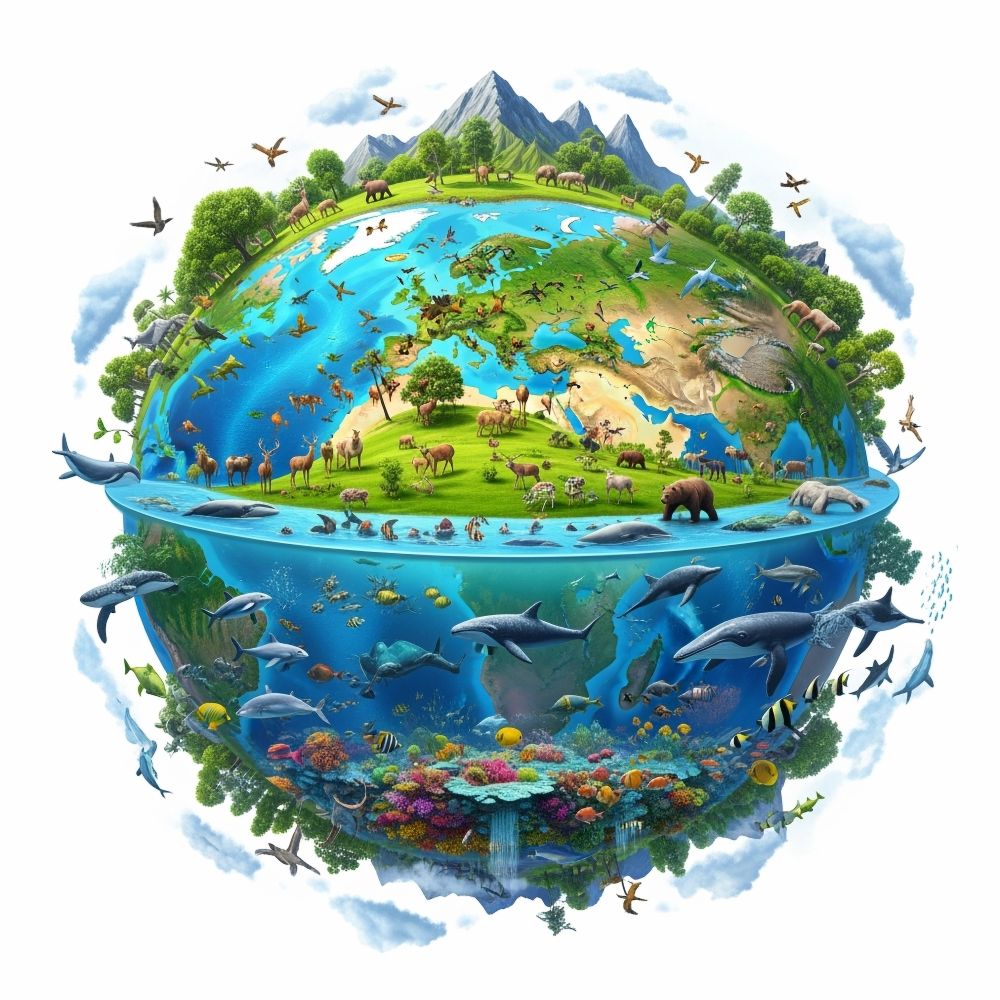
These living systems did not become resilient overnight. They developed over millions of years. But even the strongest systems have limits. Discover what happens when those relationships come under increasing strain—and how nature responds.

