Primates and the Living Earth: Lessons and Activities in Biodiversity and Conservation are designed as flexible resources that educators can integrate into their existing curricula. Use a complete lesson, select individual sections or activities, or draw on NEPC resources to complement what you’re already teaching.
The resources below are recommended for Grades 9–12. Educational standards and additional educator guidance are provided where available. Educators are encouraged to use their professional judgment in selecting and adapting resources to meet the needs of their students.
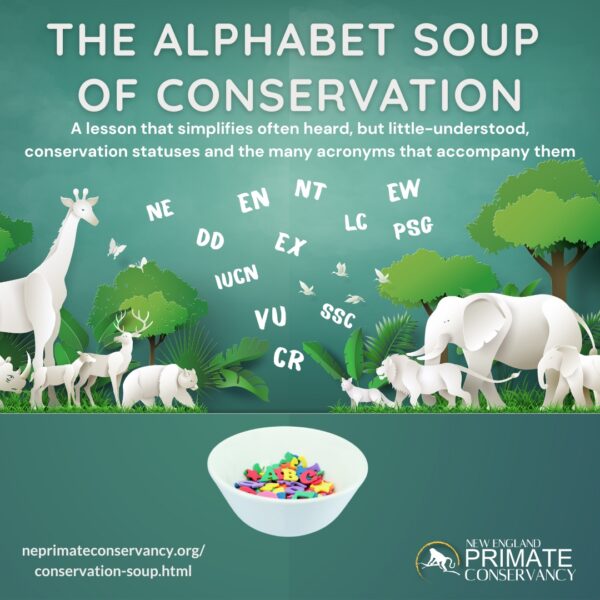
The study of conservation comes with its own language of acronyms. From organizations assessing species’ risks to the scientific teams supplying the data behind each Conservation Status, it can feel like an alphabet soup of abbreviations. This lesson untangles these codes and explains why they matter.
Primates live in some of the most biologically rich ecosystems on Earth. This engaging lesson and activity explore where primates are found around the world, how habitats shape their lives, and why healthy ecosystems are essential to biodiversity and conservation. A captivating video introduces key concepts.
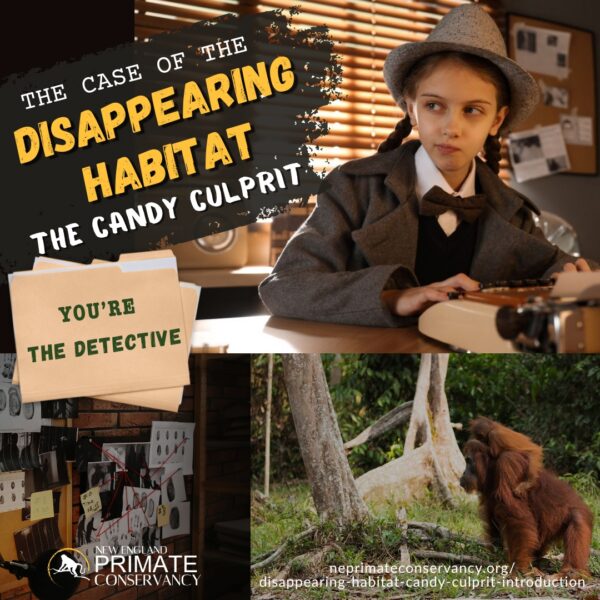
Step into the shoes of a detective and uncover the hidden ways your favorite sweet treats can impact rainforests and their wildlife. Enjoy engaging videos that guide you through five mission steps to solve each challenge, complete with clever Detective Strategies, Action Items, and Handy Hints along the way!
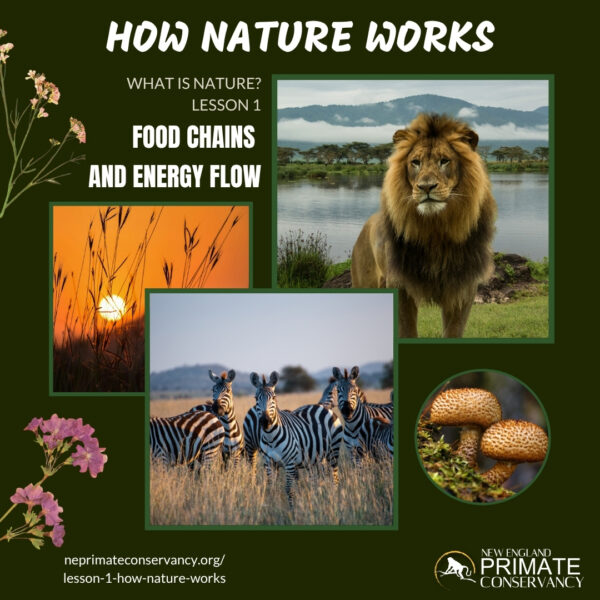
Concepts essential for protecting the natural world. This lesson covers food chains and energy flow, with a dedicated section for educators. Key learning points highlight the intricate connections within ecosystems and how nutrients and energy cycle through them.
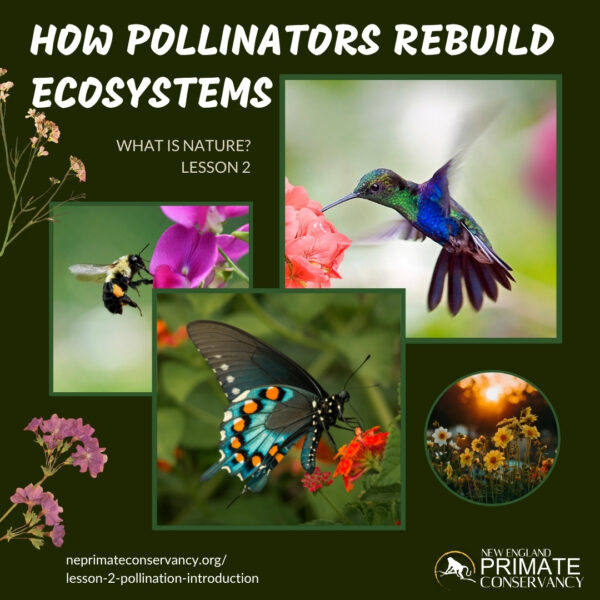
Dive into the fascinating world of pollinators, highlighting the essential resources they need to thrive. The lesson emphasizes how cross-pollination supports ecosystem recovery and resilience. Explore the remarkable adaptations plants use to attract pollinators and the factors that influence which flowers pollinators prefer.
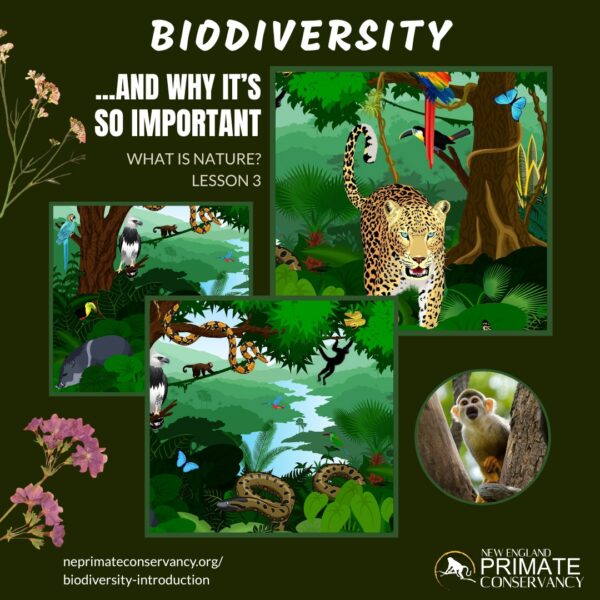
Biodiversity is the cornerstone of life and one of Nature’s greatest strategies for survival! Learn about Earth’s living organisms, including Genetic, Species, and Ecosystem Diversity, discover Biodiversity Hotspots, and find out how we can help protect it. This lesson features engaging videos, informative graphics, and interactive activities.
Modeled after classic flashcards, these digital cards offer quick and easy access to insights into various primate species. This fun and educational activity encourages exploration, revealing interesting facts—such as why each species can have multiple common names but only one scientific name, where they are found around the world, and much more.
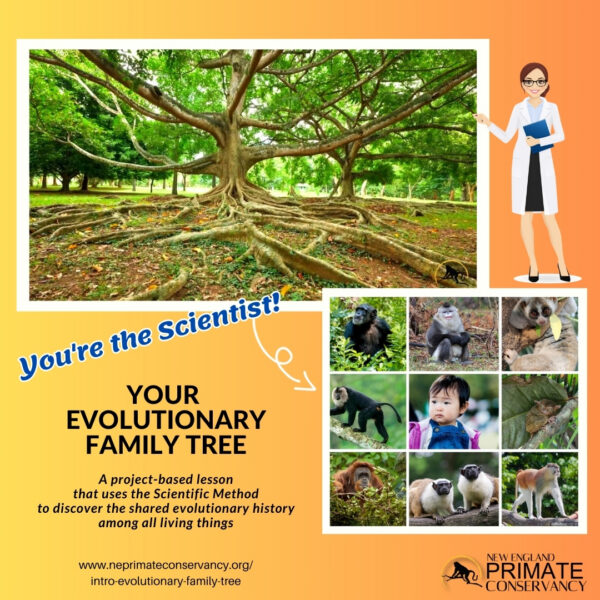
Use the 7-Step Scientific Method to investigate the shared evolutionary history of primates, including humans. This engaging lesson highlights our interconnected journey through evolution and underscores the important role each species plays in the intricate web of Earth’s biodiversity.
Join a virtual scavenger hunt across NEPC’s website and explore the world of primate conservation. Guided steps help you gather clues that reveal a mystery quote, making learning both fun and interactive. Covering a variety of topics on conservation and primate protection, this activity is especially popular in high school programs but can also engage younger students with teacher support.
Welcome to Primate Jeopardy! Based on the classic TV game show, test your knowledge of primates or explore the NEPC website for answers. Learn fascinating facts about the world's nonhuman primates—their habitats, behaviors, and ways you can help protect them. And remember: always answer in the form of a question!
And More Curiosity-Driven Learning
Working on a school project about primates or primate conservation? Planning an informational or fundraising booth for your school fair? Curious about how you can help raise awareness for primate protection but unsure where to start? Many students ask us the same question, so we’ve put together these helpful suggestions.
The choices you make every day affect habitats and the animals that live there. From the products you buy to the way you use social media, enjoy entertainment, or select animal companions, even small actions can make a difference. When thousands of people make small changes, the impact becomes huge—and that’s great news!
In this engaging video series, discover the remarkable diversity of primates, their varied adaptations, and the extraordinary ways they navigate their environments. You’ll also find that, despite the title of this series, many of our nonhuman primate relatives do not reside in the treetops.
Explore the world of primates, from their habitats and behaviors to their daily lives, in this engaging video series. These youth-friendly videos offer insights into primates, conservation efforts, and ways that anyone can make a difference.