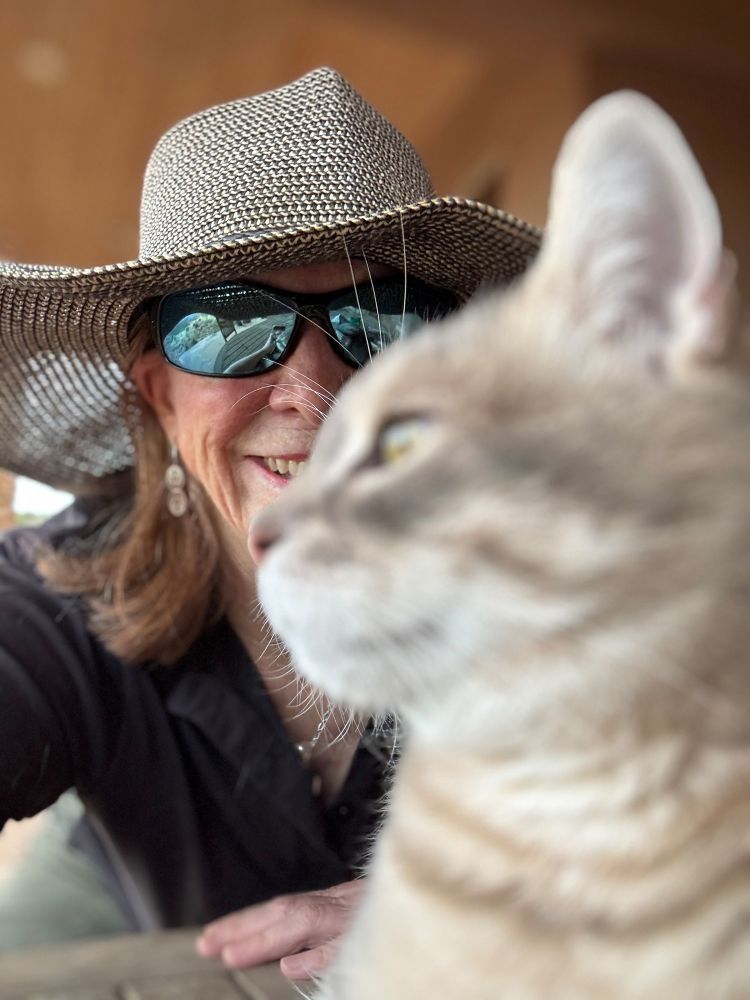
Lennette Newell is an award-winning American photographer whose work reflects a deep interest in animals and biodiversity. From an early age, Newell spent much of her time living among, caring for, and observing animals. Her father was a large-animal veterinarian, giving her early and extensive exposure to animals and their care. A childhood surrounded by animals brought Newell to a deep-rooted understanding of their behaviors, personalities, and intrinsic value. As she grew up, she maintained her passion for animal life and pursued new ways in which she could care for and advocate for them.
NEPC’s Beatrice Bashibyukyan spoke with Newell about her lifelong connection with animals, her path from commercial photography to photographing primates, and the role visual storytelling can play in inspiring conservation.
“I’ve always been a naturalist and dedicated my time to the animal kingdom in my spare time,” says Newell. Starting as a commercial photographer, Newell began photographing domestic animals for pet brands including Iams, Blue Buffalo, and Milk-Bone. When she wasn’t in the studio, Newell worked alongside animals in a different way. “I used to come home and take care of tons of animals. Most of that work was with kittens and puppies because I was really good with them—I was a foster. But I never realized that that level of involvement was hard for other people because it just came naturally for me from growing up and taking care of ill animals. So, I did that many, many years, and I really enjoyed it,” she shares.
As an artist, it's important to connect with people quickly, and visuals can do that on a very basic level in a nanosecond. Hopefully audiences will want to see more and learn more."
Through her commercial photography and her work fostering animals, Newell found new ways to continue her commitment to animals. “My work as a commercial photographer, in the niche industry of the pet advertising world, led me to many introductions to animal sanctuaries and wildlife conservation spaces. I read animals quickly, even if I’m not familiar with them, and I can understand what’s going to happen next. They trusted me, and it took a while, but I got great photos. It made me want to go deeper into primates,” Newell says.
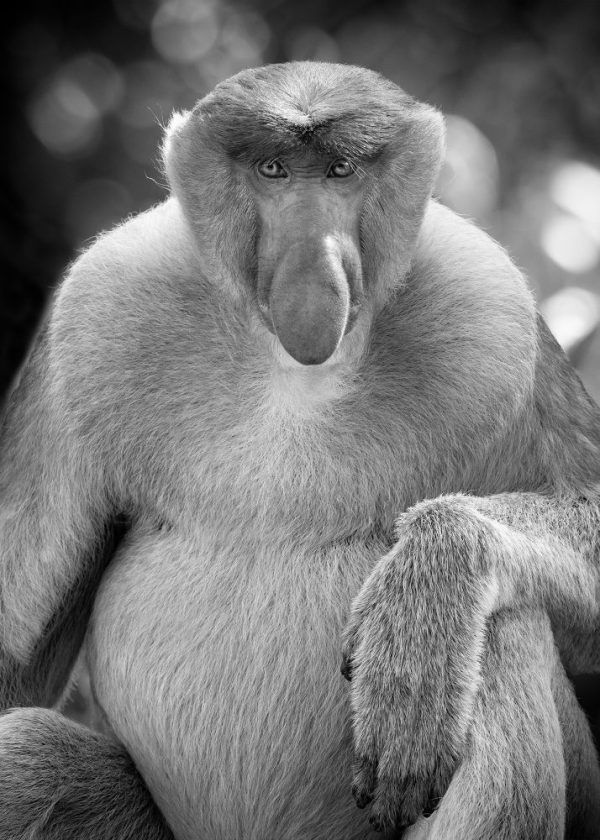
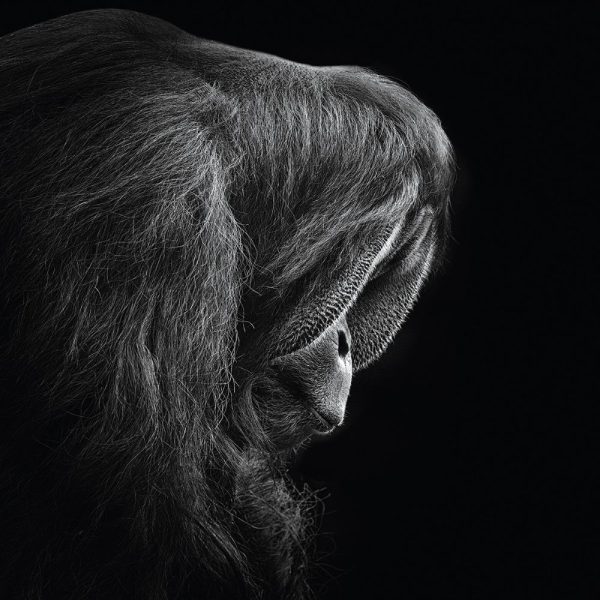
Endangered Proboscis Monkey (Nasalis larvatus)
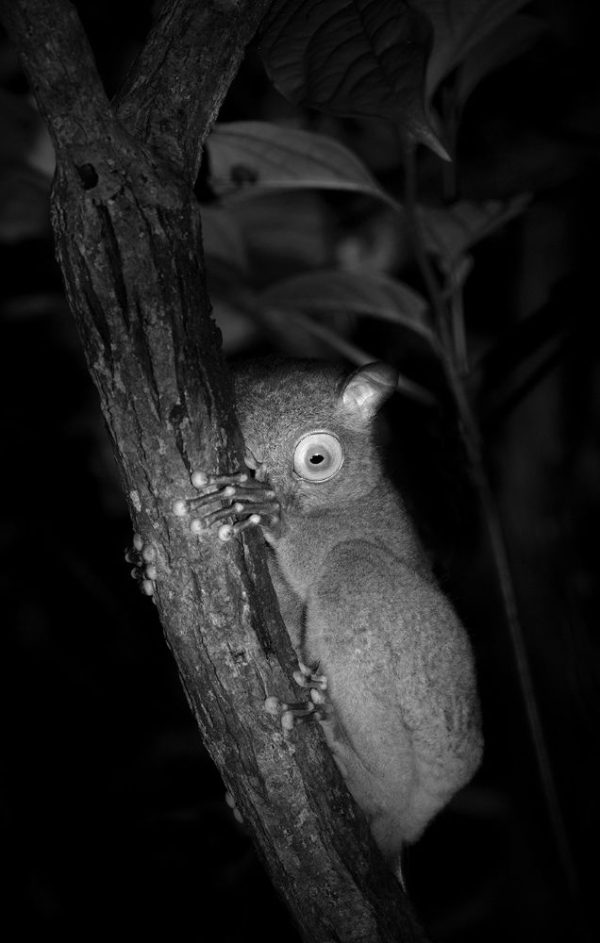
As a means to further conservation efforts and appreciation for the natural world, Newell became committed to capturing intimate moments with primate species most people would otherwise never have the opportunity of experiencing. “I think that any visual creator has the ability to try to connect our likeness, our commonalities quickly, and then spark an interest so that they can learn more; they can see more. For example, they can see the feet of a chimpanzee—something they’ve never seen—and they’re just in awe of it.”
“Probably the best part of it is that it doesn't matter if I don't get anything. For me, it was the whole interaction, the whole moment of it.”
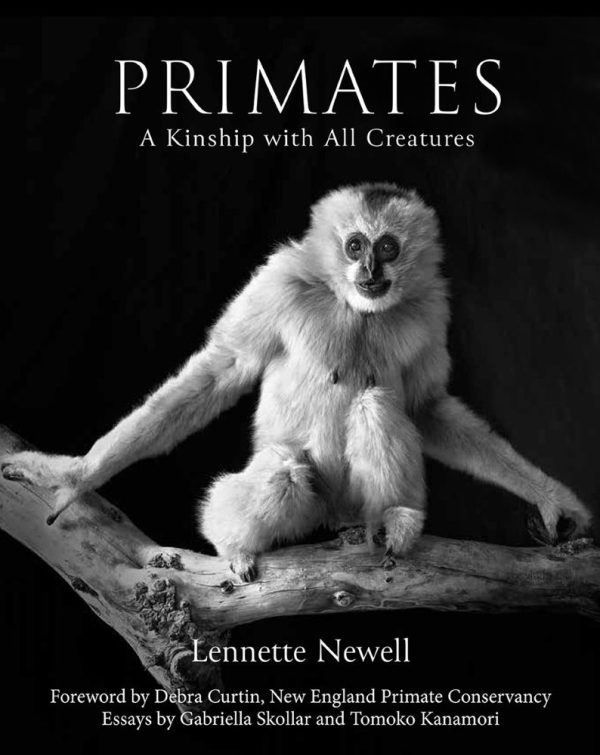
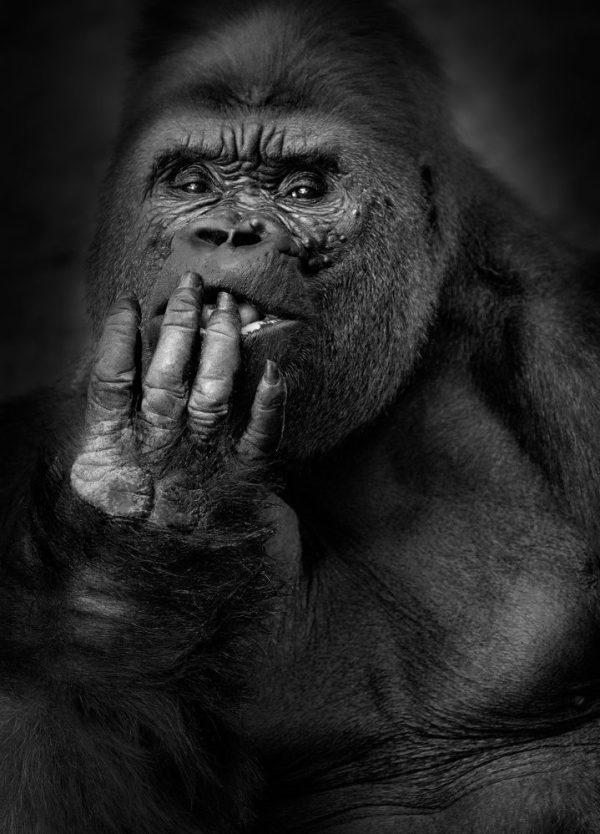
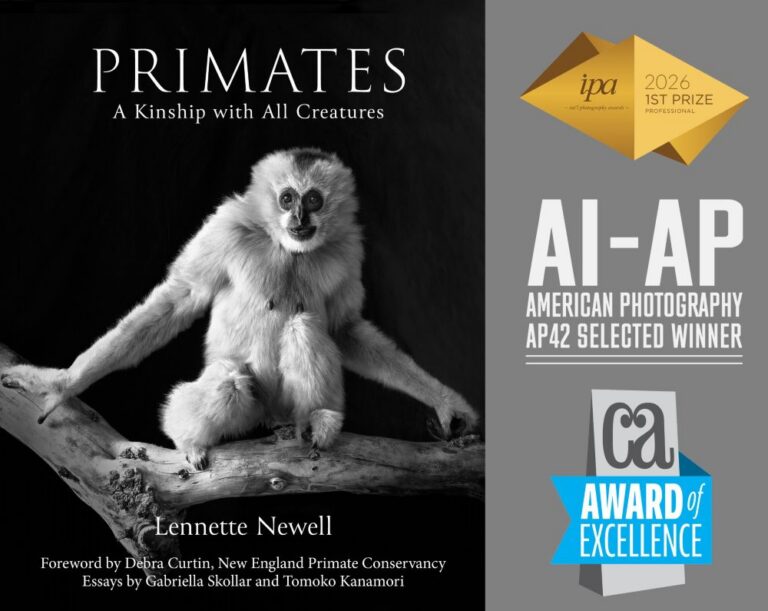
Newell’s latest book, Primates: A Kinship with All Creatures, is a collection of boundary-pushing photographs that offers a bridge for viewers to explore and appreciate an array of primate species. Newell’s striking black-and-white photography homes in on the complexity and beauty of her primate subjects. However, her stylistic color grading goes beyond pure aesthetics. “I chose black-and-white photography so that there aren’t distractions. In my experience, black-and-white photographs are held in high regard and even awe. I think as an artist it’s important to connect with people quickly, and visuals can do that on a very basic level in a nanosecond. Hopefully audiences will want to see more and learn more,” says Newell.
From photographing in professional studios, to zoos and conservation centers, Newell’s wide breadth of photography led her to expanding her work on an international level. She’s captured images of primates everywhere from Uganda to Ethiopia to Borneo. However, with new environments came new challenges. “I always have a process because I was trained commercially. But trust me, there is no process when you get there. But that’s the beauty of it, I think! When you get there, you see so much more that you want, and maybe something you never even thought would happen, happens. I’m able to just go out there, and probably the best part of it is that it doesn’t matter if I don’t get anything—because for me, it was the whole interaction, the whole moment of it. And if I didn’t get a good photo, it’s okay. And maybe the photos aren’t what I had hoped, or maybe they’re better than I hoped, but it was just that experience that really matters,” shares Newell.
As a photographer whose work carries a message of conservation and compassion, Newell encourages other artists to apply their own skills to protecting biodiversity. Reflecting on her professional background and her path to wildlife photography, she encourages others to begin by finding opportunities that suit their own interests. “If you’re interested in dogs, go to your local community dog shelters and take photos for them. If you have a wildlife habitat, which there are in many cities, go there and offer your services,” she says.
Primates: A Kinship with All Creatures features a foreword by Debra Curtin, founder and president of New England Primate Conservancy, with essays by Gabriella Skollar of the Gibbon Conservation Center in California and Tomoko Kanamori of Japan’s Orangutan Research Center.
Prestigious Awards and Honors
Since its publication, Primates: A Kinship with All Creatures and Newell’s photography featured in the book have received several prestigious honors.
The Primates series was selected as a winner in the Books category of Communication Arts’ 67th Photography Competition and Annual.
A portrait of an Endangered Proboscis Monkey was selected for American Photography 42.
Primates: A Kinship with All Creatures also received First Prize in the Professional Book/Fine Art category of the 2026 International Photography Awards.